Blog Auto Popup Form


3 min read
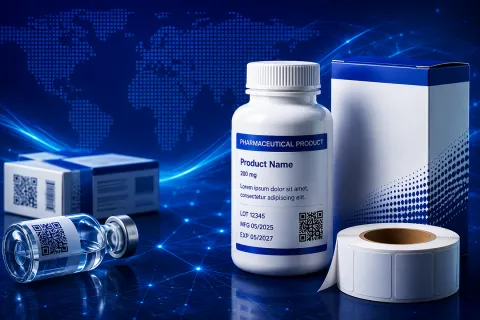
In the pharmaceutical industry, labeling errors can have serious consequences, ranging from jeopardizing patient safety to Regulatory non-compliance. Therefore, companies must prioritize error-free labeling to maintain compliance and uphold the highest quality and safety. In today’s evolving Regulatory environment, the adoption of digital labeling, eLabeling, and structured content management (SCM) frameworks has become essential to ensuring accuracy and consistency across global markets. In the following lines, let us further delve into the importance of error-free labeling and how companies can accomplish the same.
The Regulatory Landscape in Pharma
Pharmaceutical companies are subject to stringent regulations from health authorities such as the U.S. Food and Drug Administration (FDA), the European Medicines Agency (EMA), and similar agencies worldwide. These regulations encompass various aspects, including clinical trials, manufacturing processes, and perhaps most notably, product labeling. Properly labeled pharmaceutical products are essential for Regulatory compliance and patient well-being. With the rise of global labeling governance and Structured Product Labeling (SPL) requirements, pharma companies must ensure alignment with evolving health authority expectations.
Importance of Error-free Labeling
Patient Safety
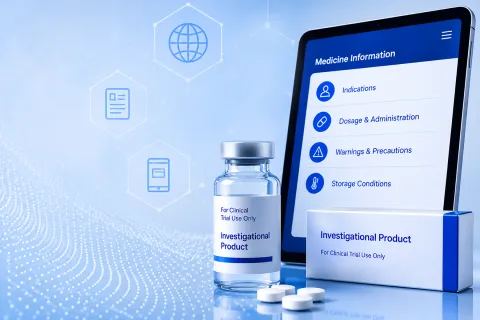
At the core of pharmaceutical regulations, the commitment to patient safety is important. Error-free labeling ensures that patients receive accurate information about their medications, including dosage instructions, potential side effects, and proper usage. Any inaccuracies in labeling could lead to serious health consequences. Patient-centric labeling approaches, including simplified formats and digital product information (DPI), further enhance safety and usability.
Regulatory Compliance
Regulatory bodies have stringent requirements for pharmaceutical labeling to guarantee that products meet safety and efficacy standards. Adhering to these guidelines is not just a legal obligation but also a commitment to maintaining the integrity of the pharmaceutical supply chain. Error-free content also supports seamless Regulatory submissions and labeling variation management across regions.
Clinical Trials and Research
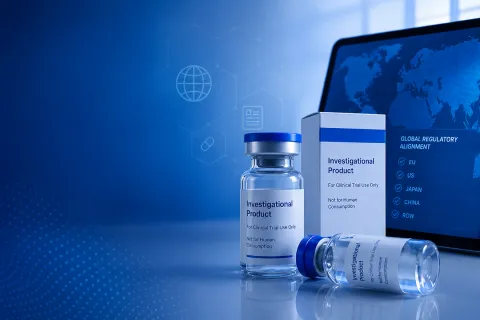
In the early stages of drug development, precise labeling is crucial. Accurate information on investigational drugs supports the integrity of research outcomes and ensures that participants are well-informed about them during trials. Modern clinical trial labeling now incorporates global standards, digital templates, and central document control to minimize inconsistencies.
Global Market Access
Pharmaceutical companies often operate globally, necessitating compliance with diverse Regulatory frameworks. Error-free labeling helps obtain approvals from multiple health authorities and access markets worldwide. Harmonized CCDS-to-local labeling (LPD) alignment and centralized labeling repositories play a key role in ensuring consistency across regions.
Traceability and Recall Management
In product recalls or quality issues, error-free labeling facilitates efficient traceability. Accurate labeling allows companies to identify and retrieve specific batches promptly, minimizing the impact on patients and demonstrating compliance with Regulatory requirements. Integration of labeling automation tools further improves traceability and real-time oversight.
Best Practices for Error-Free Labeling in Pharma
Utilize Advanced Labeling Software
Invest in state-of-the-art labeling software that automates the process and minimizes the risk of human error. These systems can integrate with other components of the pharmaceutical supply chain, enhancing efficiency and accuracy. Advanced platforms featuring automated version control, label comparison tools, and AI-driven content validation are now widely adopted.
Implement Stringent Quality Control Measures
Establish robust quality control procedures to verify the accuracy of labeling content. Regular audits must be conducted to identify and rectify errors.
Engage with Regulatory Experts
Foster collaboration with experts who can provide insights into evolving regulations. Staying informed about changes in the Regulatory landscape is necessary for adapting labeling practices accordingly. Labeling expertise is especially crucial due to frequent health authority updates and new global digital labeling mandates.
The Role of Regulatory Services
Pharma Regulatory service–providers help companies achieve error-free labeling and maintain compliance. They offer expertise in interpreting and implementing complex requirements, conducting audits, providing guidance on best practices, and developing labeling strategies that align with global regulations. Regulatory partners also support labeling data governance, structured labeling initiatives, and IDMP-driven compliance to maintain worldwide alignment.
Conclusion
Improving compliance through error-free labeling is fundamental in pharmaceutical compliance. By prioritizing accuracy, quality, and adherence to standards, pharmaceutical companies can enhance patient safety, maintain Regulatory compliance, and uphold their reputation in the industry. Leveraging Regulatory services and implementing robust strategies for error-free labeling are essential steps toward achieving these goals. As the industry shifts toward digital transformation, companies must embrace future-ready labeling systems, content standardization, and automation to stay compliant.
Partnering with a leading labeling expert like Freyr can help you avoid labeling errors and ensure pharma compliance. Talk to our experts to learn more about our services.