Consult



3 min read
Abbreviated SmPCs (Summary of Product Characteristics) form an important source of information for healthcare professionals and patients alike. These documents provide a summary of key information about a medicinal product, including its indications, posology, contraindications, and adverse reactions. With increasing global focus on digital labeling, structured content management, and Regulatory Information Management (RIM) systems, SmPCs are evolving to meet modern Regulatory expectations.
As technology advances, the future of abbreviated SmPCs will likely involve greater use of digital platforms and patient-centric information. The rise of Structured Content and Labeling (SCL), IDMP-driven data standards, and advanced labeling automation solutions will further reshape how SmPC content is authored, maintained, and distributed. By embracing the technologies and continuing to improve the quality and accessibility of SmPCs, we can ensure that patients receive information they need to make informed decisions about their healthcare.
Let’s discuss some of the technologies we might witness when it comes to abbreviated SmPCs.
Mobile Apps and Online Databases
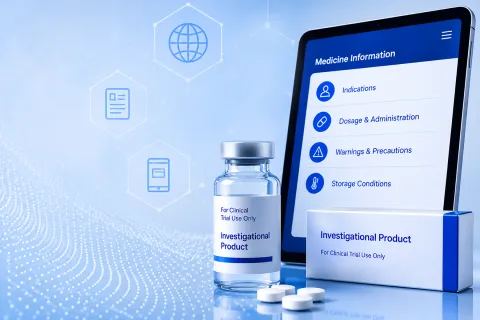
The development of mobile apps and online databases is one potential trend that could revolutionize how healthcare professionals and patients access SmPC information. These digital platforms would be designed to make searching for information about medicinal products easier for both groups.
The digital platforms could be designed to include interactive features, such as the ability to search for information based on specific criteria or view the information in various formats. This would help ensure that healthcare professionals and patients have access to the most up-to-date information possible. Additionally, these platforms could offer alerts or notifications when new information becomes available. With the expansion of eLabeling initiatives, QR-code–enabled access, and real-time digital updates, SmPC content could soon become fully dynamic and integrated into global Regulatory submissions workflows.
Patient-centric Information
Another potential trend for the future of abbreviated SmPCs is an increased focus on patient-centric information. As patients become more involved in their healthcare decisions, there is a growing need for clear and understandable information about medicinal products tailored to their specific needs and preferences.
To achieve this, the SmPCs could be redesigned to include user-friendly interfaces and visual aids, such as infographics or videos, that help patients understand the risks and benefits of a particular medicinal product. Health authorities are increasingly emphasizing readability testing, structured templates, and harmonized patient information formats to support better comprehension and improved health outcomes.
Improved Language and Clarity
Ongoing efforts are to improve the quality and clarity of labeling texts. Regulatory Agencies such as the European Medicines Agency (EMA) and the US Food and Drug Administration (US FDA) are working to simplify and standardize the language used for labeling texts, making them easier to understand for healthcare professionals and patients.
By simplifying the language, Regulatory Agencies aim to reduce the possibility of confusion or misunderstanding, which can have serious consequences in medical treatment. As part of the shift towards global labeling governance, agencies are also aligning SmPC terminology with IDMP and structured content requirements to ensure consistency across regions and Regulatory submissions.
Real-world Data
Another ongoing effort is the incorporation of real-world data into SmPCs. This could include data on the safety and efficacy of a medicinal product in specific patient populations or in combination with other medications. By incorporating this real-world data, SmPCs can provide a complete picture of the risks and benefits of a particular medicinal product, helping healthcare professionals and patients make more informed decisions about its use.
In the future, integration of Real-World Evidence (RWE) into structured labeling formats may become a key requirement, supporting adaptive labeling, safety signal updates, and more frequent lifecycle management changes.
It is certain that patients receive the information they need to make educated healthcare decisions by embracing these trends and continuing to enhance the quality and clarity of SmPCs. In an era of digital transformation, unified RIM systems, eCTD 4.0 submissions, and labeling automation, companies must ensure that SmPC updates remain compliant, harmonized, and globally consistent.
Our team of experts at Freyr is experienced in creating and updating the Abbreviated SmPCs, ensuring alignment with evolving EMA, FDA, and global Regulatory labeling requirements. Our team of experts at Freyr is experienced with creating and updating the Abbreviated SmPCs. Contact Freyr now!