Consult


2 min read
The United Arab Emirates (UAE) is rapidly evolving into a global leader in pharmaceutical innovation, underpinned by a robust digital transformation in regulatory affairs. This strategic shift is not merely about adopting new technologies; it's about reimagining how regulatory processes can be more agile, transparent, and efficient. Let's delve into the key digital initiatives shaping the UAE's pharmaceutical landscape.
1. Implementation of Electronic Common Technical Documents (eCTD)
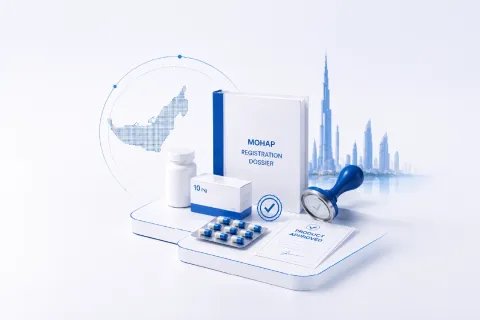
In 2025, the UAE has mandated the adoption of the electronic Common Technical Document (eCTD) format for all new medicinal product registrations. This transition aims to:
- Enhance Submission Efficiency: Streamlining the submission process reduces administrative overhead and accelerates review timelines.
- Improve Compliance: Standardized formats ensure consistency and facilitate easier audits and inspections.
- Facilitate Global Harmonization: Aligning with international regulatory standards positions the UAE as a competitive player in the global pharmaceutical market.
This move is part of the Emirates Drug Establishment's (EDE) broader strategy to modernize regulatory frameworks and attract international investment into the UAE's pharmaceutical sector.
2. Adoption of Artificial Intelligence (AI) in Drug Development
The UAE is at the forefront of integrating AI into healthcare regulation. In April 2025, the UAE Cabinet approved the world's first AI-powered regulatory intelligence ecosystem. This platform connects legislation to judicial rulings and government services in real time, helping regulators monitor impact and draft laws up to 70% faster.
Additionally, AI is being leveraged to:
- Predict Drug Efficacy and Safety: Machine learning models analyze clinical trial data to forecast outcomes and identify potential risks.
- Automate Regulatory Processes: AI-driven tools assist in document review, compliance checks, and approval workflows, reducing human error and expediting decision-making.
These advancements not only streamline regulatory processes but also enhance the precision and reliability of drug approvals.
3. Integration of Electronic Health Records (EHRs)
The UAE is progressively implementing Electronic Health Records (EHRs) across its healthcare facilities. EHRs centralize patient data, enabling:
- Real-Time Monitoring: Continuous tracking of patient health metrics facilitates timely interventions.
- Enhanced Pharmacovigilance: Direct access to patient histories allows for more accurate identification and reporting of adverse drug reactions.
- Improved Data Analytics: Aggregated health data supports research and policy-making, leading to better healthcare outcomes.
This initiative is part of the UAE's broader digital health strategy to improve patient care and optimize healthcare delivery.
4. Strategic Collaborations and International Partnerships
Recognizing the importance of global collaboration, the Emirates Drug Establishment has signed a Memorandum of Understanding (MoU) with the Ministry of Investment to strengthen and advance the UAE's pharmaceutical sector. This partnership focuses on:
- Promoting Investment: Attracting both domestic and international investors to the UAE's pharmaceutical industry.
- Fostering Innovation: Encouraging research and development through shared resources and expertise.
- Enhancing Regulatory Frameworks: Aligning with international standards to facilitate smoother market access for new products.
5. Future Outlook: A Unified Digital Healthcare Ecosystem
Looking ahead, the UAE plans to launch a National Unified Digital Platform by Q2 2026. This AI-powered system aims to:
- Centralize Healthcare Licensing: Integrating all federal and local health regulatory bodies into a single platform.
- Simplify Processes: Streamlining licensing applications and standardizing procedures.
- Enhance Workforce Mobility: Facilitating the movement of healthcare professionals across the UAE by reducing bureaucratic barriers.
This initiative aligns with the UAE's "Zero Government Bureaucracy" vision, aiming to create a more efficient and accessible healthcare system.
Conclusion
The UAE is transforming pharmaceutical regulation through the integration of eCTD, AI, and EHRs, creating faster, more efficient, and compliant pathways for medicinal products. Stay ahead in this evolving landscape—contact us to learn how we can help you navigate UAE regulatory affairs