Consult

3 min read
The global food industry is undergoing a significant transformation driven by growing consumer demand for clean-label products and increasing Regulatory scrutiny of synthetic food additives. At the heart of this change lies the recent move by the U.S. Food and Drug Administration (FDA) to revoke the use of FD&C Red No. 3 (Erythrosine) in foods and dietary supplements — a decision with far-reaching implications for manufacturers globally.
Simultaneously, this Regulatory shift catalyzes a surge in the natural food coloring market, which is expected to surpass $3 billion by 2030. For Regulatory affairs professionals and industry leaders, the challenge lies in replacing restricted substances and navigating a complex web of ingredient regulations, labeling requirements, and product re-approvals across key global markets.
Regulatory Rationale Behind the Red Dye 3 ban
Due to ongoing toxicological concerns—including its classification as a potential carcinogen by the U.S. National Toxicology Program (NTP) based on rodent studies—FD&C Red No. 3 has been under Regulatory scrutiny for years. On January 15, 2025, the FDA issued a final rule revoking its authorization for use in food and orally ingested drugs, citing updated safety evidence and stakeholder petitions. Manufacturers must reformulate affected food products by January 15, 2027, and ingestible drugs by January 18, 2028.
Key implications from a Regulatory standpoint include:
- Reformulation will be mandatory for all food products and dietary supplements containing Red No. 3 in the U.S.
- The ban aligns with California’s earlier legislative action (AB 418), increasing pressure on national food compliance.
- Stakeholders must now consider global reformulation strategies, as similar scrutiny is being seen across the EU, Canada, and APAC markets.
Growth of the Natural Color Industry – Regulatory Drivers
Natural pigments such as beetroot extract, paprika, turmeric, and spirulina are gaining prominence as safe and clean-label alternatives to synthetic dyes. However, despite market enthusiasm, these ingredients face Regulatory variability across regions:
Regulatory Considerations for Natural Colors:
Region | Key Regulatory Body | Natural Color Approval Pathway |
|---|---|---|
USA | FDA (CFR Title 21) | GRAS Notification / Color Additive Petition |
EU | EFSA (EC No 1333/2008) | Authorization as food additives (E-numbers) |
China | National Health Commission (NHC) | Inclusion in the GB 2760-2024 list |
Canada | Health Canada | Pre-approved additive lists; Claims of natural origin must align with Health Canada’s general labeling policies |
Failure to comply with the above Regulatory frameworks can lead to product recalls, import rejections, or market access delays.
Reformulation Compliance Strategy: What Manufacturers Must Do
Manufacturers reformulating their products to comply with the FDA ban on red dye 3 or to adopt natural colors must follow a rigorous Regulatory process:
1. Ingredient Substitution Compliance
- Verify approval status of natural colorants in target markets.
- Assess technical limitations (stability, pH sensitivity, light exposure) and acceptable daily intake (ADI).
2. Labeling and Claims Review
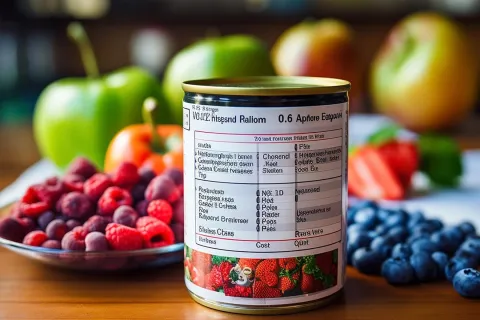
- Update ingredient lists to reflect natural alternatives.
- Validate any “No Artificial Colors”, “Naturally Colored”, or similar claims under region-specific labeling regulations.
3. Re-registration or Notifications
- If formulation changes are material, certain jurisdictions (e.g., China, Brazil, GCC) may require new product notification or dossier resubmission.
- For dietary supplements, this may trigger updated product registration or health claim reassessment.
4. Global Harmonization
- Achieve global formula harmonization to reduce packaging, manufacturing, and supply chain compliance complexity.
- Watch for emerging regional bans or re-evaluations, particularly in APAC and Latin America.
How Freyr Can Help – Regulatory Support Across the Value Chain
Freyr, as a global Regulatory solutions partner, helps food and dietary supplement manufacturers navigate the transition to natural food coloring with end-to-end support:
Freyr’s Key Services:
- Ingredient Regulatory Assessment: Ensure natural dyes are approved and safe for use in your target markets.
- Reformulation & Label Compliance: Scientifically guide your product reformulation and ensure labeling meets all local regulations.
- Global Dossier Compilation: Prepare and submit revised product dossiers as required in the EU, APAC, LATAM, and GCC.
- Claim Substantiation & Artwork Review: Validate clean-label and natural color claims and provide compliant artwork solutions.
- Regulatory Intelligence: Monitor evolving bans and policy changes to ensure future readiness.
Conclusion
The Regulatory ban on Red Dye No. 3 represents more than just a safety update — it reflects a global movement toward cleaner, more transparent food labeling. Companies that proactively reformulate using validated natural alternatives can gain a competitive edge, align with shifting consumer preferences, and maintain uninterrupted access to international markets.
As regulatory demands grow more complex, partnering with compliance experts like Freyr Solutions is not just about meeting requirements — it’s a strategic move toward sustainable growth and global market leadership.