Consult

2 min read
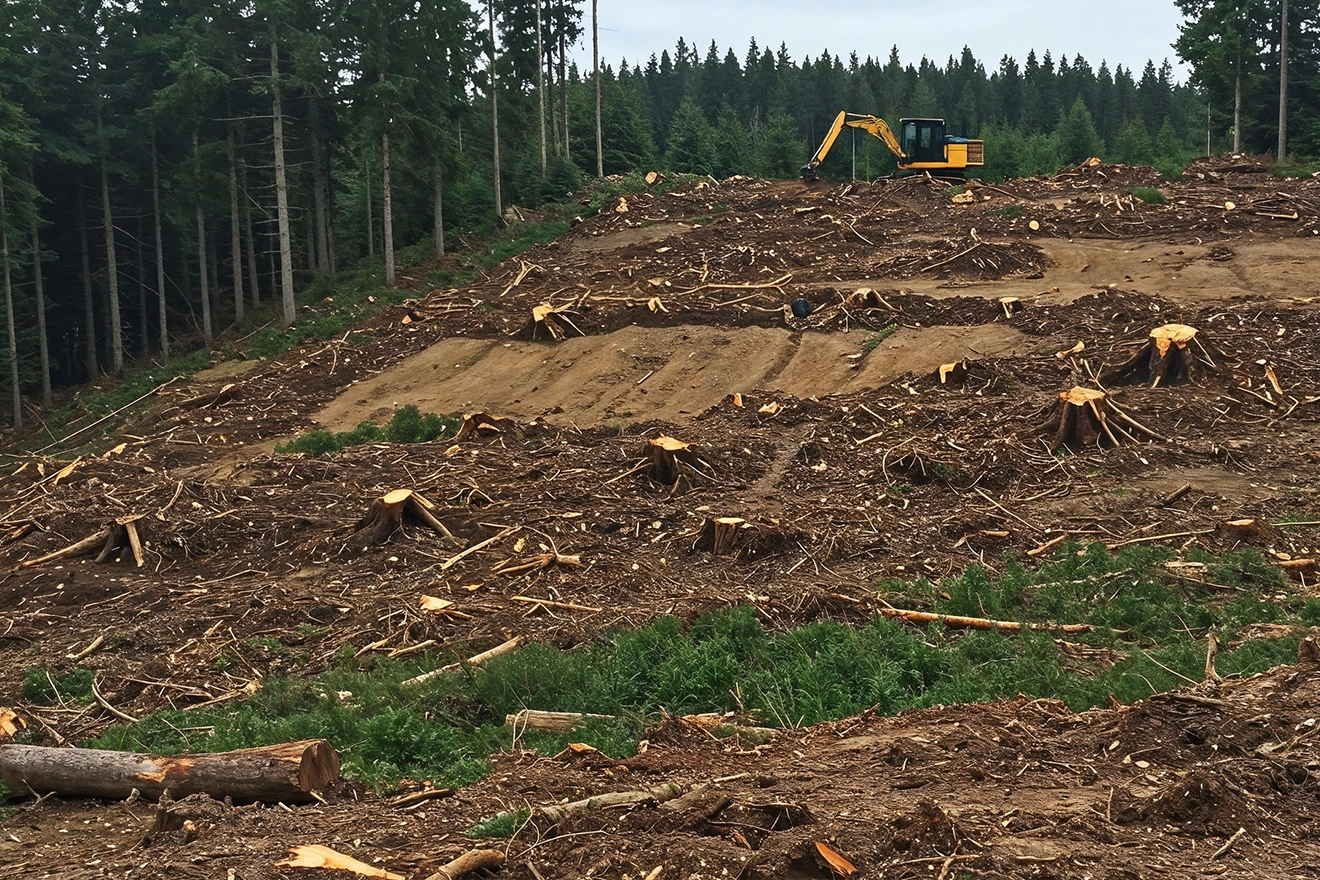
The EU deforestation law, known as the EU Deforestation Regulation (EUDR) is a landmark sustainability law designed to ensure that commodities entering the EU market are deforestation-free. Covering Annex I commodities such as cattle, cocoa, coffee, oil palm, soy, rubber, and wood; the regulation places strict due diligence obligations on businesses across global supply chains.
In December 2025, the European Commission announced a provisional political agreement between the European Parliament and the Council on targeted amendments to the EUDR. This agreement extends enforcement deadlines, clarifies obligation allocation, and introduces scope refinements alongside simplification measures, striking a balance between sustainability goals and practical implementation.
Updated Enforcement Deadlines
The revised timelines provide businesses with additional preparation time:
| Large & Medium Operators: 30 December 2026 | Small & Micro Enterprises (SME): 30 June 2027 |
While deadlines have shifted, the Commission has emphasized that sustainability objectives remain. The provisional agreement clarifies that the due diligence statement obligation applies only to the operator first placing the product on the EU market. Companies must still demonstrate that their commodities are deforestation-free and traceable to retain EU market access.
Key Measures in the Targeted Amendments
| Extended Deadlines | Simplified Reporting | Obligation Allocation | SME Proportionality | Scope Refinement | Practical Implementation |
| EUDR deadline extension moves enforcement to 30 December 2026 for large operators and to 30 June 2027 for small and micro enterprises. | Streamlined compliance processes to reduce administrative burdens. | Due diligence statements required only from operators first placing products on the EU market, not all downstream traders. | Adjusted obligations for smaller businesses while maintaining accountability. | Annex I commodities remain covered, but certain low-risk printed products (e.g., books, newspapers) are excluded under the provisional agreement. | Refinements designed to make compliance workable without weakening sustainability goals. |
What Businesses Must Do
Despite the extended timelines, businesses should act now to:
- Map supply chains to the source of Annex I commodities.
- Establish due diligence systems aligned with EU requirements.
- Determine whether you are the operator first placing products on the EU market, as this defines responsibility for due diligence statements.
- Prepare audit-ready documentation to withstand inspections.
- Avoid last‑minute compliance setbacks that could jeopardize EU market access.
How Freyr Supports Your EUDR Readiness
The EU’s decision to extend enforcement deadlines represents a pragmatic adjustment, but the regulation’s message is clear: EUDR compliance is mandatory and urgent. The Council emphasized that the targeted revision focuses on simplification and clarification. Sustainability remains the core objective, with obligation allocation streamlined to operators first placing products on the EU market and scope refined to exclude certain low-risk printed products.
Freyr helps organizations turn this challenge into an opportunity by providing:
- Regulatory Intelligence to keep strategies aligned with evolving EU guidance.
- Due Diligence System design tailored to Annex I commodities and global supply chains.
- Gap Assessments & Corrective Action to identify risks early and implement solutions.
- Audit-ready Documentation to withstand EU inspections.
- Efficient, Cost-Effective Expertise that accelerates compliance without compromising quality.
Conclusion
The EUDR 2025 agreement marks a pivotal step in balancing sustainability with practical implementation. Extended deadlines and clarified obligations give businesses room to prepare, but the expectation of deforestation‑free supply chains remains firm. Those who act early will not only secure compliance and protect EU market access but also demonstrate leadership in building a more sustainable global trade ecosystem.