Consult


2 min read
The U.S. Food and Drug Administration (FDA) has introduced a landmark revision to the definition of “healthy” claim for food labeling, effective from April 28, 2025. This updated rule redefines how the term can be used on packaging, ensuring it reflects the latest in nutrition science and federal dietary guidelines. For food manufacturers, Regulatory professionals, and health-conscious consumers, this change is both a challenge and an opportunity.
Why Did the FDA Redefine “Healthy”?
For decades, the term “healthy” on food labels was governed by outdated criteria. Some highly nutritious foods—like nuts, avocados, and salmon—did not meet the old standards, while processed items with little nutritional value did. The updated definition aims to correct this by aligning “healthy” claims with the current Dietary Guidelines for Americans and helping consumers make more informed decisions.
Changes in the FDA food labeling regulations 2025
- Previously excluded foods now qualify: nuts, seeds, higher-fat fish, avocados, certain oils, water, tea, and plain coffee are eligible under the new standards.
- Some items no longer eligible: items like fortified white bread, sugary cereals, and sweetened yogurts can no longer claim “healthy”.
- Clarification: Criteria Vary by Product Category
- The FDA now clearly states that the “healthy” definition differs by food category—recognizing individual foods, mixed products, and meals/main dishes separately.
- Requirements to use the FDA “healthy” claim:
- Must contain a minimum amount of one or more food-group equivalents (fruits, vegetables, whole grains, low-fat dairy, lean proteins, or specific oils)
- Must stay below set limits for saturated fat, sodium, and added sugars
Category‑Specific Standards:
Product Type | Food Group Requirement | Nutrient Limits |
|---|---|---|
|
|
|
|
|
|
|
|
|
**These figures mirror FDA guidance on servings and daily value alignment.
- Real-World Application
For example, a snack bar labeled as “healthy” must contain at least ¾ ounce of whole grains and no more than 5 grams of added sugar per serving.
What This Means for Food Manufacturers?
- Voluntary Use
The “healthy” claim remains voluntary. However, those who opt to use it must comply with the new standards.
- Transition Period
Manufacturers have until February 28, 2028, to bring products and labels into compliance.
- Reformulation Requirements
Products high in sodium, sugar, or saturated fats may need to be reformulated, potentially requiring new ingredients or processes.
- Packaging Overhaul
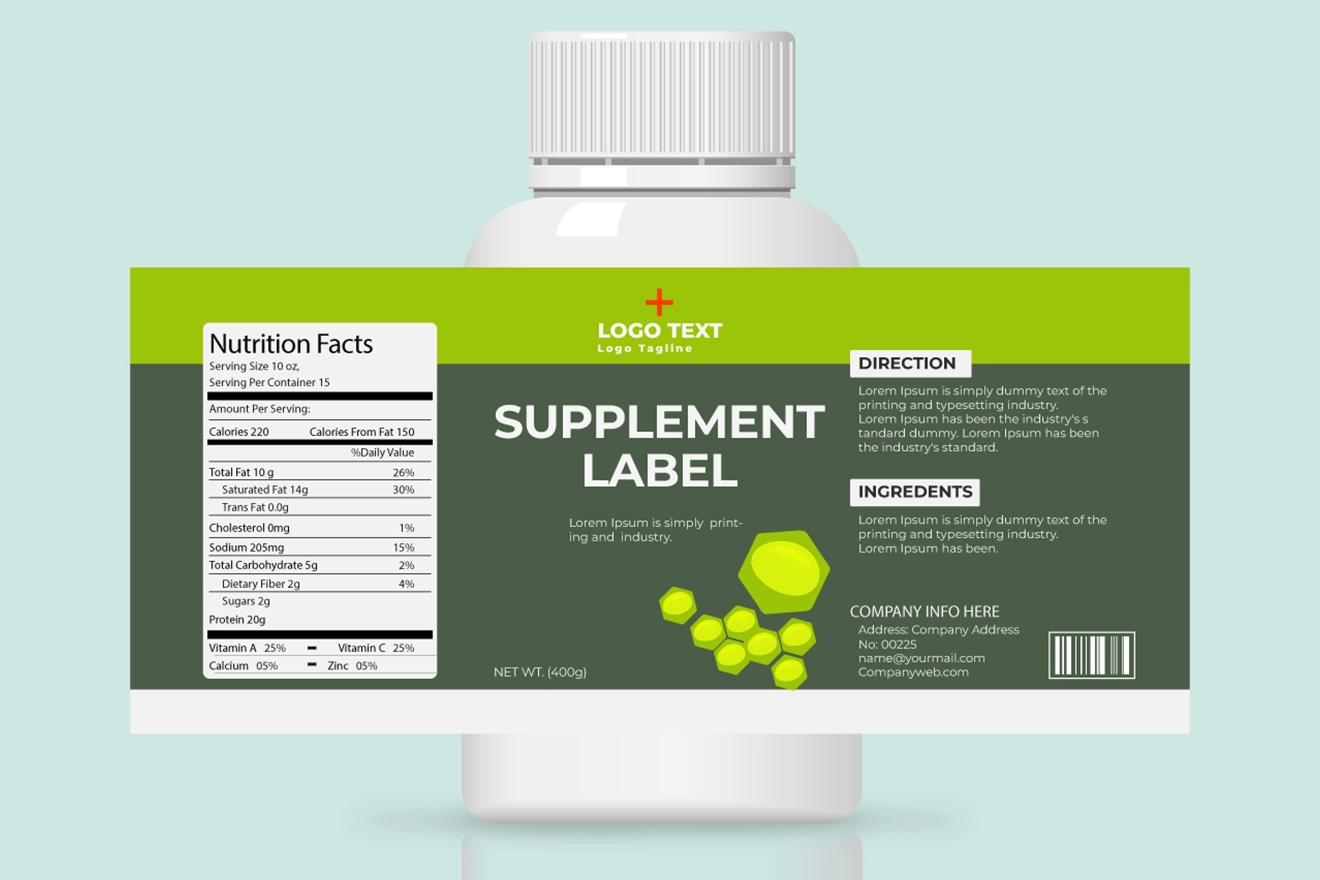
Labels will need to be updated to reflect the new criteria, including changes to artwork, layout, and marketing claims.
- Consumer Benefits
- Clarity and Trust: The “healthy” label will now better reflect nutrient-rich, balanced food choices.
- Better Options: Expect to see more foods made with whole grains, fruits, and vegetables, and fewer with excessive sugar or sodium.
How Freyr Solutions Can Help
Adapting to the FDA’s new rule can be complex. From reformulating formulations to updating packaging, the road to compliance requires strategic planning and Regulatory expertise.
- Regulatory Gap Assessment
- Product audits to evaluate compliance with new “healthy” standards
- Market-specific Regulatory alignment for global brands
- Labeling & Artwork Management
- FDA-compliant SPL formatting for nutritional fact labels
- Multilingual label support, allergen declarations, and digital artwork lifecycle management
- Reformulation Consulting
- Ingredient substitution strategies
- Support with taste, texture, and nutritional profile optimization
- Recordkeeping & Documentation
- Automated digital traceability systems for nutrient tracking
- Audit-ready records and compliance validation
Final Takeaway
The redefinition of “healthy” represents a pivotal moment in US FDA Nutrition labeling compliance. For manufacturers, the message is clear: adapt now to stay ahead. Reformulate, relabel, and reposition your products to meet evolving consumer expectations and Regulatory requirements.
Freyr Solutions is here to guide you through every step of the transition. From gap assessments to compliant label rollout, we ensure your brand stays competitive, compliant, and consumer friendly.