Consult


4 min read
Nigeria is one of Africa’s most advanced and fastest-growing pharmaceutical manufacturing hubs, serving both national and regional markets. The pharmaceutical industry in Nigeria is rapidly establishing itself as a leading hub for pharmaceutical expansion across Sub-Saharan Africa. With a growing patient population, strengthening Regulatory frameworks, and increasing government commitment to local manufacturing, the country presents significant opportunities for international companies seeking a foothold in one of Africa's most dynamic healthcare markets.
The Nigerian government, primarily through NAFDAC, prioritizes Regulatory best practices, capacity strengthening, and supply chain modernization. Investment trends are positive, with increasing focus on infrastructure, technology, and skills transfer driven by AfCFTA and private-public partnerships. As the pharma industry in Nigeria continues to evolve, foreign companies are increasingly exploring entry strategies aligned with this momentum — especially those seeking Regulatory support in Nigeria and NAFDAC drug registration Nigeria expertise to ensure smooth and compliant market access.
Pharmaceutical Industry in Nigeria: Expanding Market Potential
The pharmaceutical industry in Nigeria is witnessing strong growth, with market revenue estimated at USD 1.84 billion in 2025, is on a steady upward trajectory with a projected CAGR of 6.45% from 2025 to 2029 — placing the 2026 market value at approximately USD 1.96 billion.
Nigeria is the most populous country in Africa with over 220 million people; it offers a compelling opportunity for companies targeting the Nigeria pharmaceutical market growth trend and expanding their global footprint. While over 70% of drugs are currently imported, government incentives and over 130 local manufacturers are actively scaling up production to shift toward self-sufficiency.
Government Support and Universal Health Coverage
Government initiatives are playing a crucial role in strengthening the pharmaceutical industry in Nigeria. The Nigerian government is actively committed to expanding healthcare access through the National Health Insurance Authority (NHIA), promoting Universal Health Coverage (UHC), and reducing out-of-pocket medical expenditures.
Alongside this, government initiatives supporting local drug manufacturing and the development of WHO-compliant production facilities are making the pharmaceutical landscape in Nigeria increasingly attractive for foreign investment and public-private partnerships. To reduce reliance on imports (largely from India and China), the Nigerian government is providing incentives such as tax holidays and import waivers on raw materials.
Regulatory Reforms and Strengthened Oversight
The National Agency for Food and Drug Administration and Control (NAFDAC) — Nigeria's primary pharmaceutical regulator — has achieved WHO Global Benchmarking Tool (GBT) Maturity Level 3 (ML3) status, signifying a stable, well-functioning, and integrated Regulatory system.
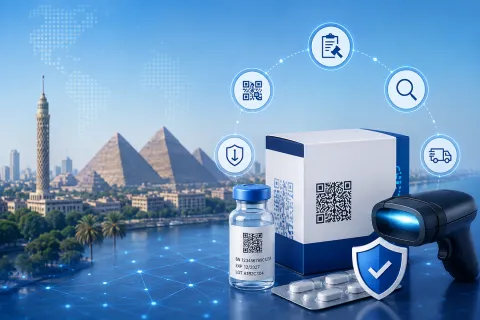
NAFDAC is progressively aligning with international frameworks, including the Common Technical Document (CTD) format, and has implemented the Pharmaceutical Products Traceability Regulations 2024 — placing Nigeria among the first African nations with active traceability requirements in force.
Nigeria is now the 24th among the select group of 25 National Regulatory Authorities (NRAs) worldwide currently committed to implementing globally harmonized, science-based Regulatory standards through ICH membership.
There is a significant drive to increase local manufacturing. Nigeria has numerous certified labs, well-distributed NAFDAC network for capacity, and a focus on global trade and competitiveness especially under the African Continental Free Trade Area (AfCFTA). Investments target capacity expansion, technology transfer, and public-private partnerships.
With this NAFDAC drug registration Nigeria processes are becoming more transparent and efficient—supporting faster and more predictable approvals.
Growing Opportunity in Generics, Specialty Therapies, and Anti-Counterfeiting
A rising burden of communicable and non-communicable diseases, combined with increased healthcare access, means generics continue to anchor the pharmaceutical industry in Nigeria. The largest segment in pharma industry in Nigeria is Oncology Drugs, projected to reach a market volume of USD 314.70 million in 2025, with this figure set to grow further through 2026 and beyond — reflecting the expanding appetite for specialty and advanced therapies.
NAFDAC's robust anti-counterfeiting enforcement and the new traceability framework further strengthen the environment for legitimate, quality-assured pharmaceutical products, creating diversified entry points for foreign firms targeting both high-volume and high-value market segments.
Strategic Location and Continental Advantage
Situated at the heart of West Africa and as a member of ECOWAS, Nigeria serves as a strategic gateway to the broader African continent. As the African Medicines Agency (AMA) operationalizes its single-submission pathway — recognized across multiple member states — Nigeria's ML3 Regulatory status positions it as a primary hub for vigilance, market control, and essential medicines distribution across the region. For multinationals with pan-African ambitions, Nigeria represents an indispensable anchor market.
Freyr's Successful Case: Regulatory Strategy Support for a USA-Based Pharmaceutical Company
Client Overview
A USA-based pharmaceutical company partnered with Freyr for comprehensive Regulatory Support in Nigeria, aiming to successfully navigate NAFDAC drug registration Nigeria requirements for their generic product portfolio.
Project Details
Scope of Work:
- End-to-End Generic Product Registration Support: Freyr provided comprehensive registration support, beginning with a thorough technical review and gap analysis of all existing documents against NAFDAC's specific Regulatory requirements — ensuring that the dossier was complete, accurate, and submission-ready before any filing took place.
- Compilation and Submission of Registration Dossier: Freyr's Regulatory experts compiled a fully compliant registration dossier in accordance with NAFDAC's documentation standards and submission formats. Following submission, Freyr provided dedicated query response support — addressing any questions or deficiencies raised by NAFDAC promptly and effectively to avoid delays in the review process.
- Strategic Regulatory Support: Beyond the technical and submission tasks, Freyr delivered strategic guidance to help the client navigate NAFDAC's Regulatory landscape with confidence — advising on optimal pathways, timelines, and compliance strategies tailored to the client's product portfolio and business objectives.
Outcome
- Regulatory Compliance Achieved: Through meticulous gap analysis and dossier compilation, the client's submission met NAFDAC's Regulatory standards, minimizing the risk of rejection or delays.
- Efficient Query Resolution: Freyr's dedicated query response support ensured that all NAFDAC queries were addressed swiftly and accurately, keeping the registration process on track.
- Strategic Market Entry: The strategic support provided gave the client a clear and confident roadmap for entering the Nigerian pharmaceutical market, positioning them for long-term Regulatory success.
- Strengthened Partnership: The successful delivery of this project reinforced a strong, trust-based collaboration between Freyr and the client, laying the foundation for continued Regulatory support across additional markets and product lines.
How Freyr Can Help
Successfully entering the pharmaceutical industry in Nigeria requires expertise in Regulatory frameworks, documentation, and compliance.
Freyr provides end-to-end Regulatory Support in Nigeria, including NAFDAC drug registration Nigeria, labeling, submissions, pharmacovigilance, and post-market services ensuring seamless market entry and long-term success. Contact Us today.