Consult



1 min read
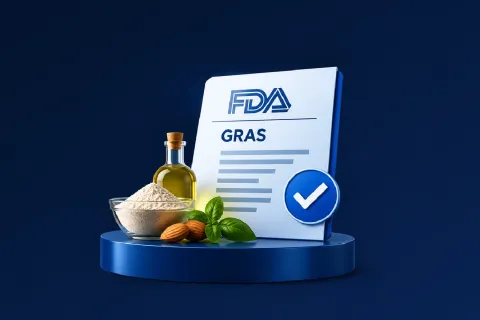
By 2026, the U.S. Food and Drug Administration (FDA) will publish a proposed regulation requiring all Generally Recognized as Safe (GRAS) determinations to be formally notified to the agency. This landmark is expected to end the era of self‑affirmed GRAS and ushers in a new phase of transparency, accountability, and industry transformation.
Understanding GRAS and Why It Matters
The GRAS pathway has long been a cornerstone of food ingredient regulation. Under the Federal Food, Drug, and Cosmetic Act, substances can be considered safe for use in food if qualified experts agree, based on publicly available scientific evidence.
Until now, companies had two (2) choices:
- Submit a GRAS notification to the FDA, allowing agency review.
- Self‑affirm GRAS internally, without disclosure.
Critics argued that self‑affirmation created a “black box” of undisclosed safety data. The FDA’s new 2026 GRAS Inventory Rule proposes directly addressing this concern by requiring mandatory notification and creating a public inventory of all GRAS determinations.
Key Features of the 2026 Proposed GRAS Rule
| Feature | Description |
| Mandatory Transparency | Every GRAS determination must be submitted to the FDA. |
| Public Inventory | The FDA will publish details of notifiers, intended uses, and supporting evidence of the notified GRAS applications. |
| Standardized Dossiers | Submissions must follow the FDA’s GRAS notice format (21 CFR Part 170 Subpart E). |
| Global Alignment | Greater transparency may support alignment with global expectations, though Regulatory frameworks remain distinct. |
Industry Impact: What Brands Must Prepare For
| Stakeholder | Impact |
| Ingredient Developers | May require strengthening of toxicology, exposure data, and peer‑reviewed science. |
| Food & Beverage Brands | Regulatory scrutiny may increase, potentially impacting timelines. |
| Regulatory Affairs Teams | Need more rigorous dossier preparation and cross‑functional work. |
| Consumers | Gain confidence as transparency addresses “self‑policed” concerns. |
Future Outlook: Transparency Reshaping Innovation
Transparency is not just a compliance requirement; it is a catalyst for change:
- Innovation Pressure: Ingredient pipelines will favor well‑researched, defensible molecules.
- Open Data Ecosystem: Public GRAS inventory enables benchmarking and competitive intelligence.
- Global Harmonization: Transparent dossiers may support approvals in other jurisdictions, may facilitate cross-market acceptance.
- Market Differentiation: Brands that embrace transparency can position themselves as leaders in safety and trust.
Conclusion
The FDA’s 2026 proposed GRAS Inventory Rule signals a new era of transparency, reshaping how ingredient innovation is validated and communicated. For brands, the challenge is no longer speed to market but building dossiers that withstand public and Regulatory scrutiny. At Freyr, we help companies navigate this shift with precision, from ingredient safety evaluation to compliant dossier preparation, ensuring that innovation remains both defensible and market‑ready. Transparency is the new compliance currency, and Freyr is your partner in turning compliance into confidence.