Consult

5 min read
In regulated industries like pharmaceuticals, biotechnology, and medical devices, artwork operations are far more than a creative or production activity. They are a compliance-critical control unit.
During regulatory inspections, packaging artwork is often reviewed as tangible proof of how well an organization controls labeling, manages changes, and governs cross-functional execution. Inspectors aren’t evaluating visual appeal—they’re assessing process maturity, traceability, and accountability.
Whether the inspection comes from the US FDA, EMA, MHRA, or another global health authority, one thing remains consistent: artwork tells the story of how regulatory decisions reach the patient.
This blog breaks down what inspectors look for in artwork operations—and why strong governance in these areas dramatically reduces regulatory risk.
How Inspectors View Artwork Operations
Before delving deeper, it is helpful to understand how inspectors typically evaluate artwork controls.
| Inspection Area | What Inspectors Look For | Common Red Flag |
|---|---|---|
| Traceability | Clear linkage from regulatory change to printed pack | Artwork files not linked to change records |
| Version Control | One final master artwork version | Multiple “final” files |
| Approvals | System-based, attributable approvals | Email-only approvals |
| SOP Compliance | SOPs followed as per workflow and roles defined | SOPs exist only on paper |
| QC & Proofreading | Documented checks with a checklist | No proofreading team available |
| Data Integrity | ALCOA+ compliant records | Missing audit trails |
This lens shapes every question related to artwork inspection.
Why Artwork Operations Matter During an Inspection
Artwork sits at the intersection of multiple high-risk functions:
- Regulatory approvals and variations
- Approved labeling content
- Packaging development
- Supply Chain & Manufacturing
- Patient safety
- Commercial Strategy & Marketing
When artwork operations fail, the consequences are rarely minor. They can lead to:
- Mislabeled or non-compliant products
- Costly market recalls
- Warning letters and inspection findings
- Supply interruptions and lost market access
From an inspector’s point of view, artwork is proof that regulatory intent and market requirements have been executed accurately, consistently, and on time.
1. End-to-End Traceability: A Non-Negotiable Expectation
What inspectors really want
Inspectors expect complete traceability from the moment a regulatory change is triggered to the final printed pack.
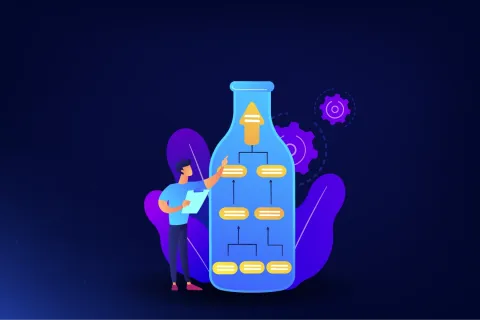
A typical artwork lifecycle inspectors expect to see:
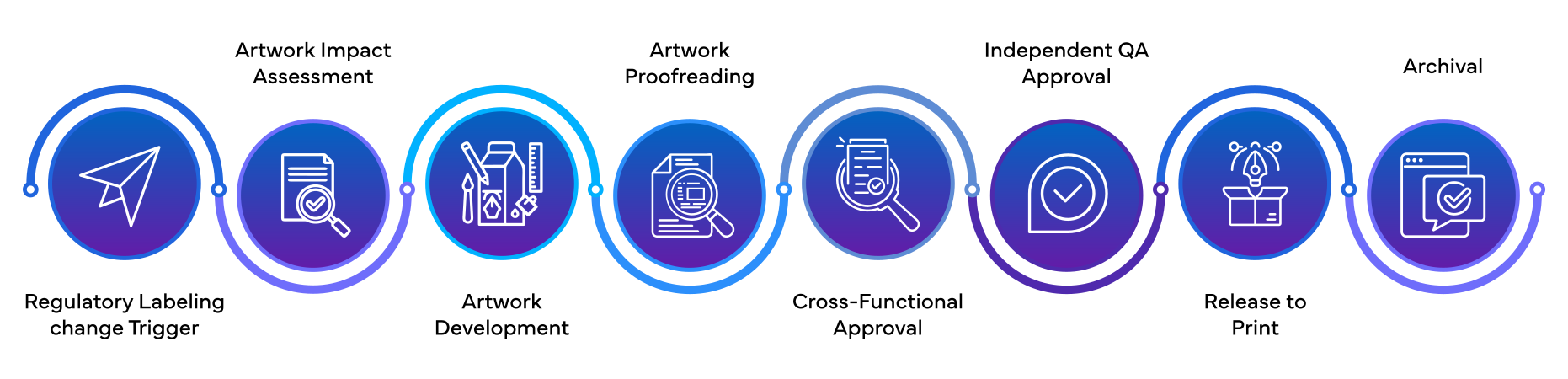
They expect traceability covering:
- Origin of the change (variation, safety signal, HA request, technical, site change)
- Impacted SKUs, components, and markets
- Who executed, reviewed, and approved each step
- Dates, decisions, and rationale
In simple terms, the core inspection question is:
“Show me how this approved label text became this printed carton.”
Common inspection questions
- How are regulatory labelling documents (SmPC, PI) linked to artwork changes?
- Can you identify all packs impacted by a specific regulatory update?
- How do you ensure obsolete artworks are not used?
Risk signal inspectors notice immediately
Artwork files sitting in shared drives with no formal linkage to regulatory change records.
2. Version Control: One Master, One Truth
What inspectors look for
Inspectors pay close attention to version discipline across:
- Artwork source files
- Artwork Print Proofs
- Print-ready PDFs
- Released packaging components
They expect:
- Unique, logical version numbering
- Clear status definitions (Draft, Under Review, Approved, Obsolete)
- Controlled access and edit permissions
Red Flags Inspectors Notice Instantly
| Red Flag | Why It Raises Risk |
|---|---|
| “final_v3_latest.pdf” | File naming convention and clarity of the approved version |
| Overwritten files | Loss of historical traceability |
| No version rationale | Weak change justification |
| Open access | Risk of unauthorized edits |
What reassures inspectors
A validated Artwork Management System (AMS) or PLM platform acting as a single source of truth sends a strong signal of control and compliance maturity.
3. Approvals: Evidence Beats Emails
What inspectors expect
Approvals must be formal, traceable, and audit-ready. Inspectors expect:
- Clearly defined approver roles (Regulatory, Quality, Packaging, Brand, Studio as applicable)
- SOP-aligned sequential or parallel workflows
- Time-stamped, attributable approvals tied to specific versions
What doesn’t hold up
“Approved via email” without system records
Screenshots instead of audit-ready approval logs
Inspector mindset
If an approval record can’t be retrieved within minutes, it’s assumed to be weak—or missing entirely.
4. SOPs: Lived Processes, Not Shelf Documents
What inspectors assess
Inspectors don’t just check whether SOPs exist. They check whether teams follow them and are aligned with artwork change workflows.
Artwork-related SOPs commonly reviewed include:
- Change control workflows and lifecycle management
- Mockup
- Submission
- Launch
- Post commercial/lifecycle
- Archival and obsolescence handling
Each workflow will provide change initiation type, artwork creation, proofreading and review and approval processes
How inspectors test compliance
- Select an SOP
- Pick a live or historical artwork
- Verify whether execution matches the documented process
High-risk gap
SOPs that are outdated, overly generic, or disconnected from day-to-day operations.
5. Change History: The Story Behind Every Update
What inspectors expect to see
Every artwork should tell a clear and defensible change story:
- Why the change was required
- What exactly changed (text, symbols, barcodes, branding, technical)
- Regulatory vs. technical change classification
- Impact assessment and implementation approach
Inspectors often look for:
- Structured change control documentation
- Clear justification when multiple changes are bundled
- Evidence of patient safety and supply risk assessment
Common failure
Treating artwork updates as “minor changes” without a documented rationale.
6. Proofreading and QC: Built In, Not Added Later
What inspectors expect
Proofreading and QC must be:
- Independent from artwork creation
- Multi-layered (four-eye principle or more)
- Fully documented and reproducible
QC activities commonly reviewed include:
- Text-to-source verification
- Barcode and GTIN validation
- Braille checks
- Symbol and regulatory icon verification
- Version-to-version (delta) comparisons
Inspection insight
A strong QC framework demonstrates proactive risk prevention, not reactive correction.
7. Data Integrity and Audit Readiness
Artwork operations are increasingly assessed through a data integrity (ALCOA+) lens.
| ALCOA+ Principle | What It Means for Artwork |
|---|---|
| Attributable | Clear ownership of actions |
| Legible | Readable, usable records |
| Contemporaneous | Recorded at the time of action |
| Original | Source records preserved |
| Accurate | No unexplained discrepancies |
Supporting systems must be access-controlled, audit-trailed, and aligned with 21 CFR Part 11 / EU Annex 11 where applicable.
What Strong Artwork Operations Signal to Inspectors
Mature artwork operations tell inspectors that an organization:
- Understands regulatory intent, not just requirements
- Can execute changes consistently across markets
- Has governance over third parties such as artwork studios and print vendors
- Is inspection-ready, not inspection-reactive
Weak artwork controls, on the other hand, often expose deeper issues in change management, quality culture, and cross-functional alignment.
How Freyr Helps Reduce Artwork-Related Regulatory Risk
Freyr supports life sciences companies by transforming artwork operations into a controlled, inspection-ready function.
With deep regulatory expertise and global artwork operations experience, Freyr helps organizations:
- Management of end-to-end artwork change requirements and managing stakeholders
- Establish end-to-end traceability between regulatory changes and packaging execution
- Implement robust SOPs aligned to real operational workflows
- Strengthen version control, approvals, and data integrity
- Embed independent proofreading and QC as standard practice
- Prepare confidently for health authority inspections
By combining regulatory understanding with operational execution, Freyr enables clients to move from reactive issue management to proactive compliance control.
Final Takeaway
Artwork operations are no longer a back-office activity—they are regulatory risks.
Inspectors look beyond files and visuals. They evaluate process discipline, traceability, governance, and control maturity. Organizations that invest in structured artwork governance, system-enabled traceability, and independent QC don’t just pass inspections—they build lasting compliance confidence.