Consult

2 min read
Market Access in Japan for Detergents: Key Regulatory Insights
Japan is one of the world’s most sophisticated markets, where quality, safety, and regulatory compliance are top priorities for consumer products. For detergent manufacturers—whether exporting to Japan or producing locally—understanding the regulatory framework for detergents in Japan and compliance with household product regulations is essential to secure smooth market access.
Detergent Classification in Japan
In Japan, detergents may fall under different categories depending on their composition and intended use:
- Quasi-drugs: Products with antibacterial, deodorizing, or disinfecting functions are classified under the Pharmaceutical and Medical Device Act (PMD Act).
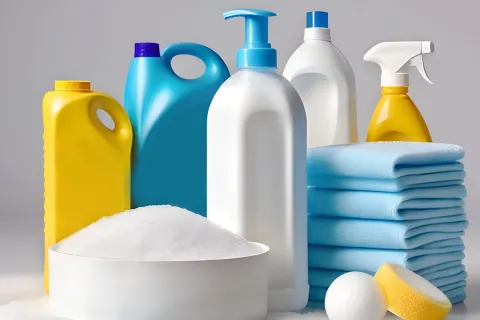
- Household Products: General detergents, such as dishwashing or laundry products, fall under the Household Goods Quality Labeling Act.
- Chemical Substance Control: Certain products are also regulated under the Poisonous and Deleterious Substances Control Act.
This classification determines the regulatory pathway a product must follow before entering the Japanese market.
Governing Authorities
Several government bodies oversee detergent regulations in Japan, including:
- Ministry of Health, Labour and Welfare (MHLW) – responsible for quasi-drugs and disinfectants.
- Consumer Affairs Agency (CAA) – regulates labeling under the Quality Labeling Standard.
- Ministry of Economy, Trade and Industry (METI) – manages chemical substance control.
- National Institute of Technology and Evaluation (NITE) – handles chemical risk evaluation.
Pre-Market and Labeling Requirements
For quasi-drugs japan, manufacturers must submit applications with product composition, efficacy data, stability data, and labeling information. Approval from MHLW is mandatory before market entry.
For general detergents, no pre-approval is required, but companies must ensure product safety, accurate classification, and compliance with laundry detergent label requirements.
Labeling rules are strict:
- Product information must be in Japanese.
- Labels should include product name, ingredients, usage instructions, precautions, and manufacturer/importer details.
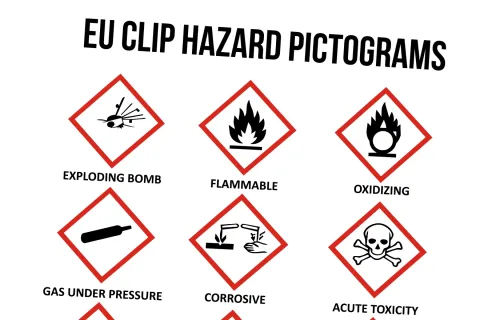
- Hazard labeling may be required in line with the Globally Harmonized System (GHS Labelling).
Technical Documentation
Manufacturers must prepare detailed technical documents to support compliance, including:
- Full ingredient list with concentrations.
- Safety Data Sheets (SDS) in Japanese for industrial and hazardous products.
- Efficacy, safety, and toxicology data (depending on classification).
Legal Representation in Japan
Foreign manufacturers cannot directly register products in Japan. They must appoint:
- A Marketing Authorization Holder (MAH) for quasi-drugs, or
- An Importer of Record (IOR) or a Japanese legal entity for general detergents.
This ensures accountability and smooth communication with Japanese regulators.
Timelines and Market Reuse
The approval timeline for quasi-drugs is approximately 6–12 months, including dossier preparation, submission, and MHLW review. General detergents, on the other hand, only require labeling and notification compliance, without lengthy approvals.
Interestingly, data generated for Japan can often be re-used in other markets such as South Korea, Taiwan, ASEAN countries, and China (with some adaptations). This makes Japan an important entry point for broader Asia-Pacific market access.
Conclusion
Gaining market access in Japan for detergents requires a clear understanding of classification, pre-market requirements, labelling standards, and local representation. While the process can be complex for quasi-drugs, proper preparation and compliance with Japanese regulations ensure smooth entry into a highly competitive and quality-driven market. Freyr ensures your detergents meet Japan’s Household chemicals regulations with classification guidance, MHLW submissions and labeling compliance—fast and hassle-free.