Consult


3 min read
Introduction
South Korea’s detergent market is thriving — but entering it requires more than just a great product. From formulation to labeling, every detergent must meet strict regulatory requirements under the Consumer Chemical Products and Biocides Safety Act (K-BPR).
Here’s a quick look at what manufacturers need to know.
Understanding the Regulatory Classification
All Household Chemical Products (HCPs), including detergents, fall under the K-BPR. Within this regulation, detergents are classified into two main categories:
- Products subject to safety confirmation:
These require submission of safety data, product composition, and testing to confirm compliance with South Korean safety standards. - Products subject to safety standards:
These must adhere to predefined standards published by authorities without undergoing prior approval.
If a detergent possesses biocidal functions such as antibacterial, disinfecting, or deodorizing properties, it’s regulated under Biocidal Products Regulation and must undergo additional assessment and active substance authorization.
This tiered classification ensures that all chemical products — whether basic or biocidal — meet strict environmental and human health safety benchmarks before market entry.
Explore More Regulatory Insights:

The Governing Authorities
South Korea’s regulatory ecosystem for detergents involves multiple agencies working together:
- Ministry of Environment (MoE): The primary authority overseeing chemical and detergent regulation under K-BPR.
- National Institute of Environmental Research (NIER): Responsible for implementation, product registration, and managing testing protocols.
- Korean Chemicals Management Association (KCMA): Facilitates the safety confirmation process and assists in compliance management.
- Ministry of Food and Drug Safety (MFDS): Regulates detergents that come into contact with the human body or food surfaces, ensuring no cross-contamination or health risk.
This multi-agency structure ensures a well-rounded regulatory review — focusing on consumer safety, environmental protection, and product transparency.
Key Regulatory Requirements
1. Pre-Market Requirements
Manufacturers must classify their product under K-BPR and submit a Safety Confirmation application, which includes:
- Product classification and composition details.
- Safety Data Sheets (SDS requirements) and test reports.
- Active substance authorization (for biocidal products).
2. Labelling Requirements
Labels play a crucial role in consumer safety. All detergents must:
- Display Korean-language labeling, including product name, intended use, ingredients, expiry date, and manufacturer/importer details.
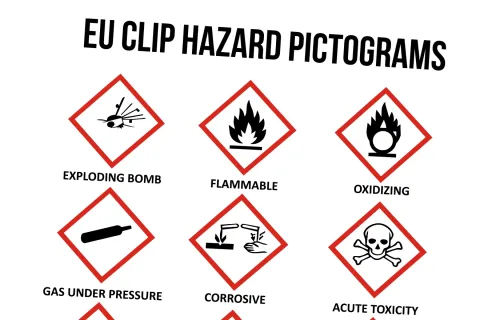
- Conform to the MoE Korea’s labeling standards and Globally Harmonized System (GHS) for hazard communication.
3. Technical Documentation
Before approval, detailed dossiers are required, including:
- Full qualitative and quantitative formulation data.
- Toxicological and biodegradability test reports (from NIER Korea-approved labs).
- Efficacy testing data, especially for biocidal claims.
4. Legal Representation
Foreign manufacturers must appoint a Korean-based Legal Representative (DOR) to handle application submissions and regulatory communication.
For biocidal detergents, a Domestic Only Representative (DOR) acts as the liaison with authorities and ensures compliance continuity.
The Approval Process
The approval process under K-BPR typically includes:
- Product Classification: Identify the correct category under K-BPR.
- Representative Appointment: Appoint a local representative if the manufacturer is based overseas.
- Dossier Preparation: Compile technical and safety documentation.
- Submission and Review: File for safety confirmation or biocidal approval.
- Label Compliance: Translate and format labels per Korean standards.
- Market Entry: Proceed with product distribution post-approval or compliance confirmation.
This process ensures that every detergent in the South Korean market has undergone rigorous safety validation.
HA Approval Timelines
Approval timelines vary depending on product classification:
- Products subject to safety confirmation: ~6–12 months (based on dossier review and safety testing).
- Products subject to safety standards: No prior approval required but must meet the published standards.
- Biocidal products: Separate approval under K-BPR, typically 12–18 months.
While timelines may vary slightly based on dossier completeness or additional data requests, early preparation can significantly expedite the process.
Data Reusability Across Markets
One advantage of South Korea’s robust regulatory system is data portability. Safety data generated for K-BPR compliance can be reused (fully or partially) in other regulated markets, such as:
- Japan: Particularly for biocidal ingredients (though reformulation may be required).
- Taiwan: Under the Environmental Agents Control Act.
- Thailand & Indonesia: For consumer chemical product categories.
- European Union: As partial input under REACH or Biocidal Products Regulation (BPR).
- Malaysia: For general or household chemical classification.
This interoperability allows manufacturers to optimize regulatory investments across multiple markets.
Conclusion
South Korea detergent regulations reflect the country’s commitment to consumer health and product integrity. While the compliance pathway may seem detailed, it offers clear benefits — enhancing brand trust, safety assurance, and smoother cross-market expansion.
For manufacturers aiming to enter this high-potential market, understanding the K-BPR framework early and aligning with local expertise can ensure both compliance success and sustainable market growth. Ensure smooth K-BPR compliance and confidently expand your detergent business in South Korea with Freyr's regulatory experts.