Consult


2 min read
Safety Data Sheet (SDS) are essential documents that communicate the hazards, safe handling, and risk controls for chemical substances and mixtures. They play a pivotal role in workplace safety, helping employers, workers, emergency responders, and supply chain partners understand how to manage chemicals safely. While SDSs don’t expire like food products, global regulations trigger SDS update requirements whenever relevant changes occur, especially after formulation changes.
What Triggers an SDS Update?
An SDS must be updated when there’s new, significant information about the product’s hazards, composition, or risk management measures. Typical triggers include:
- A change in the chemical formulation or ingredient concentrations.
- New hazard data from testing or regulatory updates.
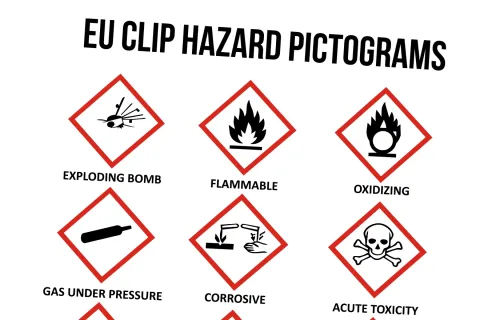
- Revised regulatory classifications under systems like GHS (Globally Harmonized System) can trigger GHS SDS update
- Updated workplace control measures or protective practices.
When any of these happen, the SDS must no longer be considered “current” because it no longer reflects the true nature of the product.
Is There a 24-Hour Rule for SDS Updates?
There is no single universal regulation that mandates SDS updates specifically within 24 hours of every formulation change. Safety Data Sheet update requirements vary by country and region:
- In the European Union (EU) under REACH, an SDS must be updated without delay when new hazard information or changes occur, and the revised sheet must be provided to all recipients who received the product in the past 12 months — but the legislation itself does not set a strict “24-hour deadline.”
- In the United States (OSHA Hazard Communication Standard), manufacturers and importers are required to update SDSs within 90 days of becoming aware of new hazard or protective measure information as per OSHA SDS requirements.
- In other jurisdictions (e.g., Canada’s WHMIS), SDSs are typically updated within 90 days of “significant new data”.
However, some industry best practices or internal policies -especially in sectors where rapid changes have serious safety implications may require even faster internal revision workflows (such as 24-hour internal review and preparation) to ensure safety and compliance before distribution. These internal targets are driven by practical safety management, not explicit statutory deadlines.
Why Fast Updates Are Good Practice
Even if the law doesn’t universally specify 24 hours, pursuing rapid SDS updates after formulation changes has several benefits:
- Worker Safety: Accurate hazard and exposure information ensures workers know how to handle new formulations safely.
- Regulatory Compliance: Proactively updating SDSs helps avoid penalties and enforcement actions for outdated hazard communications.
- Supply Chain Clarity: Downstream users, distributors, and customers rely on SDSs to assess risks — timely updates strengthen trust and prevent miscommunication.
- Emergency Preparedness: In case of spills or exposure incidents with a new formulation, responders need up-to-date hazard data.
Practical Tips for SDS Management
- Monitor formulation changes: Set up internal triggers so any change initiates an SDS review.
- Use SDS management software: Digital systems help track SDS revision date and ensure the latest version is available to all users.
- Communicate with suppliers: Ensure upstream changes are flagged early.
- Document updates: Record dates, versions, and reasons for change to simplify compliance audits.
Conclusion
While most major chemical safety regulations don’t strictly require SDS updates within 24 hours of a formulation change, they do require SDSs to be updated without delay whenever new hazard or composition information arises. Many organizations adopt rapid internal timelines to align safety practices with regulatory intent and workplace needs. Staying proactive with SDS updates protects people, improves SDS compliance, and enhances operational confidence.
Ensure SDS compliance without delays. Get GHS SDS updates, REACH compliant SDS, regulatory classification support, and expert SDS management with Freyr’s global solutions.