Consult

2 min read
The European Union is stepping into a greener future with the Packaging and Packaging Waste Regulation (PPWR) — a landmark legislation that will reshape how products are packaged, used, and recycled across Europe. Designed to cut down waste and promote a Circular economy packaging, PPWR places sustainability at the heart of every packaging decision.
Why PPWR Matters
Packaging waste has long been a major environmental concern. With billions of tons of packaging materials ending up in landfills each year, the EU’s Packaging and Packaging Waste Regulation seeks to ensure that every piece of packaging contributes to a sustainable future — through better design, recyclability, and responsible disposal.
Key Highlights of the EU PPWR
1. Packaging Reduction and Reuse
EU PPWR requires companies to minimize packaging volume and weight, eliminating unnecessary or oversized packaging. By 2030, all packaging sold in the EU must be fully Recyclable packaging or reusable, encouraging businesses to rethink materials and design.
2. Boosting Recyclability
The EU Packaging Waste Regulation sets clear recycled content targets, including:
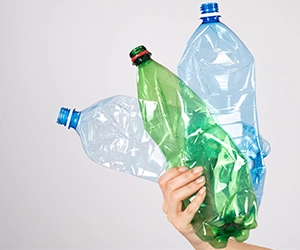
- 30% recycled content in plastic bottles by 2030
- 35% in contact-sensitive plastic packaging by 2040
These measures aim to build a closed-loop recycling system, where waste is transformed back into resources.
3. Material Restrictions
Single-use plastics and non-recyclable materials are being phased out. Certain materials like PVC and non-compostable plastics will face tighter restrictions or complete Plastic packaging ban — pushing industries to switch to eco-friendly alternatives.
Explore More Regulatory Insights:
4. Clear and Consistent Labelling
To empower consumers, mandatory eco-labels will indicate material type and disposal instructions. This harmonized labeling will help consumers make informed choices and improve waste sorting at the source.
5. Extended Producer Responsibility EU(EPR)
Under PPWR, producers bear greater responsibility for their packaging’s end-of-life management. Companies must contribute financially to collection, sorting, and recycling programs — with higher fees for non-recyclable materials.
6. Deposit Return Systems (DRS)
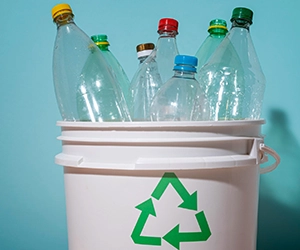
By 2029, EU Member States will implement deposit-return schemes for bottles and cans to increase recovery rates and reduce littering.
The Bigger Picture: Circular Economy Goals
PPWR supports the EU’s Green Deal and Circular Economy Action Plan, aiming for a 15% reduction in packaging waste by 2040 (compared to 2018 levels). It’s not just a regulation — it’s a blueprint for sustainable growth, innovation, and environmental responsibility.
Conclusion
The EU Packaging Regulations mark a major shift toward sustainable packaging, requiring businesses to rethink material sourcing, design, recycling, and compliance reporting. Early transition ensures smoother compliance, reduces risks, and boosts sustainability credentials. Freyr supports companies through packaging compliance assessments, EPR registration and reporting, recyclability and eco-label verification, and sustainable packaging strategy development—helping businesses lead the green transition while protecting both products and the planet.