Consult

2 min read
The Philippine detergent market continues to expand, driven by rising urbanization, growing hygiene awareness, and consumer demand for innovative cleaning solutions. For manufacturers and importers seeking to capture this opportunity, compliance with the country’s regulatory framework is critical. Detergents are not treated as ordinary consumer goods—they fall under a defined category that requires careful alignment with national regulations.
Classification of Detergents in the Philippines
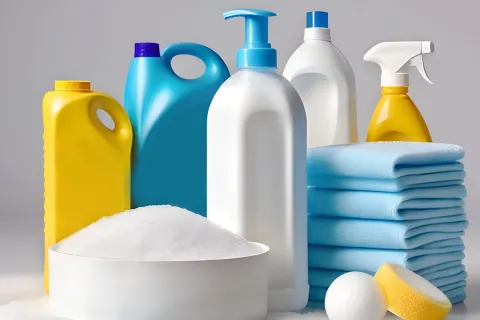
Under Republic Act No. 7394 (Consumer Act of the Philippines) and FDA Administrative Order No. 2019-001, detergents are classified as Household/Urban Hazardous Substances (HUHS). This category covers laundry detergents, dishwashing liquids, and surface cleaners. Importantly, products that make disinfecting or biocidal claims may be subject to additional scrutiny and assessment.
Regulatory Authorities
The Food and Drug Administration (FDA) Philippines, through the Center for Cosmetics and Household/Urban Hazardous Substances Regulation and Research (CCHUHSRR), is the primary authority responsible for detergent approvals. In parallel, the Department of Trade and Industry (DTI) may play a role in ensuring compliance with product standards and labelling enforcement.
Key Regulatory Requirements
1. Pre-Market Approval
- Product Classification: All detergents must be classified under HUHS.
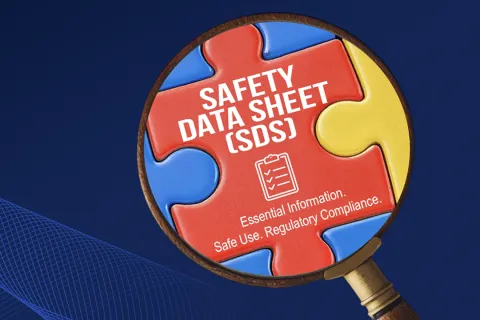
- Submission Process: A Certificate of Product Notification (CPN) must be filed through the FDA ePortal System. Applications include a dossier comprising product details, Safety Data Sheets (SDS), sample labels, and evidence of ingredient safety.
- Imports: Foreign companies are required to work with a Philippine-registered importer holding a License to Operate (LTO). The Philippines does not recognize a standalone “authorized representative” model—local entities are responsible for submissions and approvals.
2. Labelling Requirements
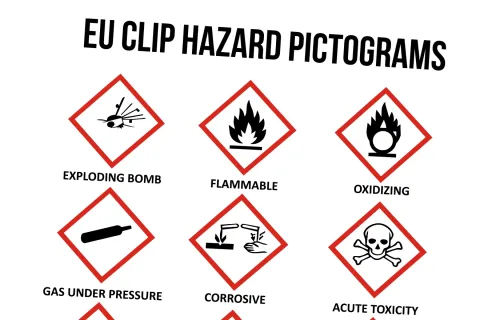
Labelling is a critical compliance element, with specific Detergent Regulations under FDA HUHS guidelines. Laundry Detergent label requirements include:
- Be written in English and/or Filipino.
- Include mandatory information such as product name, net content, usage instructions, cautionary statements, and manufacturer/importer details.
- Conform to HUHS-specific labelling requirements, such as those set out in AO 2019-001.
3. Technical Documentation
Supporting documentation is required to demonstrate product safety and compliance:
- Full formula disclosure, including percentage breakdown.
- Product label and packaging artwork.
- Safety Data Sheets (SDS) and toxicological data for raw materials, where necessary.
4. Legal Representation
Foreign companies cannot directly hold product approvals. Instead, they must operate through a Philippine-registered importer with an LTO, who acts as the responsible party for CPN or CPR submissions.
Approval Timelines
The approval process in the Philippines varies depending on product claims:
- Certificate of Product Notification (CPN): Typically processed within 1–2 months, provided documentation is complete and the product carries no disinfecting claims.
- Certificate of Product Registration (CPR): Required for products with disinfecting or therapeutic claims, with timelines ranging from 3–6 months.
Regional Data Reuse Opportunities
Regulatory data generated for HUHS submissions in the Philippines may have applicability across other markets. Examples include:
- ASEAN member states (Indonesia, Thailand, Malaysia), with adaptation to local HUHS or biocide frameworks.
- Vietnam, where detergents fall under household chemical regulations.
- Singapore, for low-risk consumer chemical products.
- South Korea, where Philippine HUHS data may be used as supporting information for K-BPR registration (case by case).
Conclusion
The detergent sector in the Philippines offers strong growth prospects, but compliance with HUHS regulations is central to market entry and long-term success. Companies that align early with requirements for classification, dossier preparation, labelling, and importer representation can secure faster approvals and minimize compliance risks.
Freyr’s experts can provide end-to-end regulatory support to ensure smooth detergent registrations in the Philippines and beyond.