Consult

2 min read
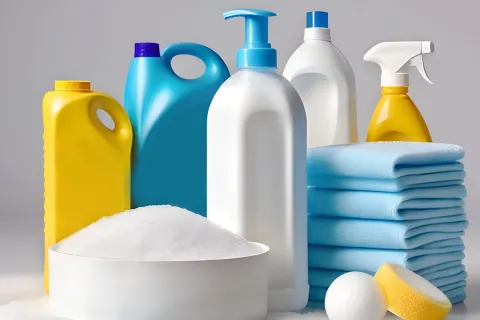
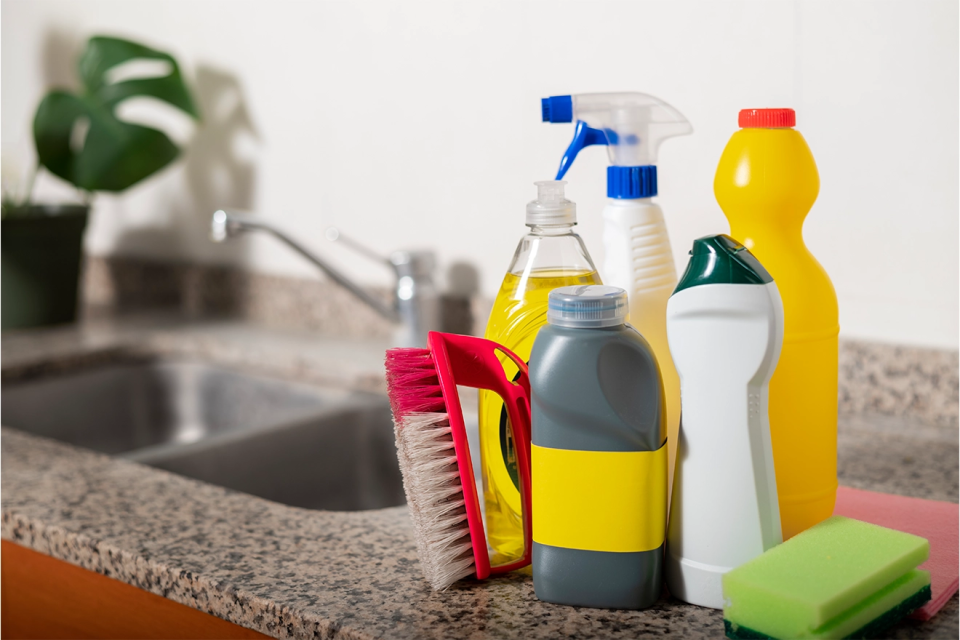
Household cleaning products that claim to kill bacteria, viruses, or other harmful microorganisms—such as disinfectants or antibacterial sprays—must comply with stringent regulations in the European Union. These products fall under the EU Biocidal Product Regulations (BPR, Regulation (EU) No. 528/2012), which ensures their safety, efficacy, and environmental compatibility.
Here, we’ll break down the key steps for registering these biocidal products in the EU and highlight how regulatory experts like Freyr can help companies navigate the process smoothly.
What is the BPR?
The Biocidal Product Regulations (BPR) governs the placement of biocidal products on the EU market. It ensures that only safe, effective, and environmentally responsible products are made available to consumers. The regulation covers a wide range of products used to control harmful organisms, including those used in households, hospitals, and industrial environments.
Explore More Regulatory Insights


Step-by-Step Process for BPR Compliance
If you're planning for Biocidal product registration of a household cleaning product with biocidal properties, here are the key steps to follow:
1. Active Substance Approval
Before a biocidal product can be authorized, its active ingredient must be approved under BPR.
- The active substance must be listed in the Union list of approved active substances.
- If it’s not yet approved, manufacturers must submit a dossier for evaluation.
- This process includes thorough toxicological, ecotoxicological, and efficacy assessments.
2. Product Authorization
Once the active substance is approved, the entire product must be authorized.
- Submit a comprehensive product dossier through the R4BP 3 (Register for Biocidal Products) platform.
- The dossier should include:
- Efficacy data (how well the product works)
- Safety assessments for human health
- Physicochemical and stability data
- Environmental risk assessments
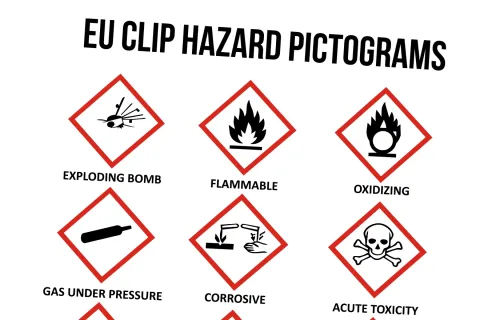
- Products must comply with labeling and packaging requirements, ensuring consumer safety.
3. Choose the Type of Authorization
There are two main types of product authorization under BPR:
- National Authorization: If you plan to market your product in only one EU country.
- Union Authorization: If you want to market the product across multiple EU countries under a single application.
The choice depends on your business goals and geographical reach.
Why BPR Compliance is Challenging
BPR is one of the most comprehensive regulatory frameworks in the EU. It demands:
- Rigorous scientific documentation
- Extensive analytical testing
- Long-term strategic planning
- Detailed and structured dossier compilation
For many companies, especially those unfamiliar with EU regulatory landscapes, this process can be overwhelming.
Conclusion
Complying with the EU BPR regulation is essential for any household cleaning product with biocidal claims. From active substance approval to product authorization, obtaining Disinfectant market approval and choosing the right market route, each step is critical. Freyr simplifies the process with expert support in BPR dossier preparation , regulatory strategy, and ongoing compliance. Whether launching or expanding in the EU market, our team provides EU BPR services, and ensures your product meets all BPR requirements. Connect with Freyr’s experts today to streamline your BPR journey and ensure Biocidal Products Regulation Compliance.