Consult


2 min read
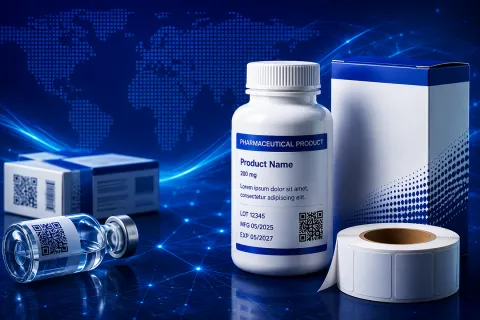
In the pharmaceutical industry, precision, compliance, and consistency are non-negotiable, especially when it comes to labeling. Labels are not just identifiers; they are legally binding documents that carry vital information about dosage, warnings, usage, and storage. A single labeling error can lead to product recalls, Regulatory fines, and risks to patient safety. That's why implementing an effective Label Management System (LMS) is critical.
An advanced pharmaceutical Label Management System streamlines the design, approval, printing, and compliance of labels across global markets. In this blog, we explore the key components of an effective label management system tailored for pharmaceutical manufacturers and marketers.
1. Centralized Label Design Software for Pharma
Label design software is an essential pillar of any pharmaceutical LMS. It enables the centralized creation and management of label templates that comply with local and global Regulatory requirements (FDA, EMA, PMDA, etc.).
Key Benefits:
- Supports dynamic fields for dosage, batch numbers, and expiration dates
- Enables quick updates across multiple SKUs and markets
- Ensures consistency across primary, secondary, and tertiary packaging
2. Workflow Automation for Regulatory Approval
In pharma, label changes often require cross-functional approval—from Regulatory Affairs and quality assurance to legal and marketing. Workflow automation helps standardize and accelerate the label review and approval process.
Key Benefits:
- Automates routing to relevant stakeholders
- Maintains audit trails to meet FDA 21 CFR Part 11 compliance
- Reduces approval cycle times and ensures traceability
3. Print Management for High-Volume Pharmaceutical Production
Accurate and timely printing is essential in batch production environments. A robust print management module integrates with ERP and MES systems to ensure the right label is printed for the right product at the right time.
Key Benefits:
- Enables just-in-time label printing on the shop floor
- Reduces mislabeling and production downtime
- Supports serialized packaging and barcode integration
4. Compliance and Security in Pharmaceutical Labeling
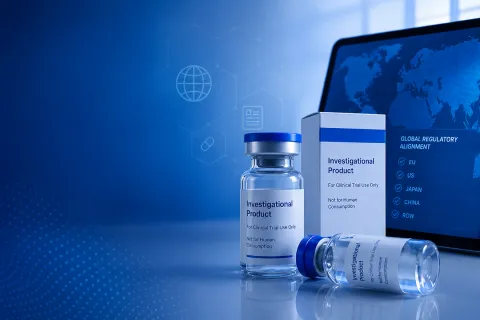
Given the strict Regulatory landscape in pharma, compliance and security are foundational elements of any LMS. A compliant system ensures that labeling activities align with global Regulatory frameworks such as FDA, EU MDR, GxP, and ICH guidelines.
Key Features:
- Secure user authentication and role-based access
- Encrypted storage of labeling data and documents
- Full audit trail for every label change
5. Seamless System Integration with Regulatory and Operational Platforms
To drive efficiency and accuracy, an LMS must integrate seamlessly with platforms like:
- Regulatory Information Management Systems (RIMS)
- Enterprise Resource Planning (ERP)
- Document Management Systems (DMS)
- Product Lifecycle Management (PLM)
This system integration ensures real-time data exchange and label updates.
Key Benefits:
- Eliminates manual data entry errors
- Supports end-to-end traceability
- Facilitates faster change management
6. Error Prevention Mechanisms in Labeling
Labeling errors in pharma can be catastrophic. A modern LMS includes error prevention capabilities to mitigate risk and ensure compliance throughout the product lifecycle.
Key Features:
- Label previews with data validation
- Barcode and QR code verification
- Controlled template updates with version management
7. User Access Controls and Audit Trails
In a regulated environment, it is crucial to maintain control over who can view, edit, or approve label content. User access control helps maintain compliance while improving internal accountability.
Key Features:
- Role-based permissions
- Customizable access levels for internal and external users
- Automated audit logs for all user activity

Why an End-to-End Label Management System is Essential
A fragmented labeling approach leads to inconsistent data, Regulatory breaches, and higher operational costs. In contrast, an end-to-end label management system for pharmaceuticals provides:
- Consistent global labeling processes
- Shorter time-to-market for new drugs
- Improved Regulatory readiness and inspection outcomes
By integrating the components above into a single, cohesive system, pharmaceutical companies can reduce risk, improve agility, and enhance compliance across the label lifecycle.
Ready to Modernize Your Pharmaceutical Labeling Process?
At Freyr, we specialize in end-to-end Regulatory labeling solutions designed for the pharmaceutical industry. From label content management and artwork creation to compliance reviews and submission support, our integrated approach ensures speed, accuracy, and global Regulatory alignment.
Explore Freyr’s Regulatory Labeling Services today. Contact us to schedule a consultation and streamline your global label operations.