Consult

2 min read
South Korea has established a robust regulatory framework for chemical and Korean household product registration to protect public health, worker safety, and the environment. Companies looking to manufacture, import, or distribute chemical products in South Korea must ensure compliance with various national laws, primarily overseen by the Ministry of Environment (MoE) South Korea. Let’s look at the key South Korea chemical regulations and requirements for chemical product registration in South Korea.
Key Regulations
Two major legislations ensure Chemical compliance South Korea:
- Consumer Chemical Products and Biocides Safety Act (K-BPR) – This act regulates the approval and management of biocidal products. It ensures that biocides are safe for human health and the environment through stringent assessment and authorization processes.
- Act on Registration, Evaluation, etc., of Chemicals (K-REACH) – K-REACH registration requirements focus on the registration, evaluation, and management of chemical substances produced or imported in South Korea. It covers both industrial chemicals and those found in consumer products.
Product Classification and Compliance
Determining the correct regulatory classification of a product is the first essential step. Products are classified as either biocidal or non-biocidal.
- South Korea biocidal product regulation requires K-BPR product authorization i.e both active substance approval and product authorization under K-BPR.
- Non-biocidal household chemicals must comply with safety standards, chemical labeling standards, and prohibited substance lists as defined by South Korean authorities.
All products must undergo a chemical product safety assessment, which includes risk evaluations and verification of compliance with prohibited substances.
Notification and Registration
- Biocidal products and industrial chemicals require formal registration or notification with the authorities.
- Detergent registration South Korea and cleaning products registration generally require notification rather than full registration.
- General consumer products may not always need registration but must still meet national safety and labeling standards.
Companies without a legal entity in South Korea must appoint a local representative to handle regulatory obligations.
Technical Documentation and Dossier Submission
For registration, manufacturers or importers must prepare detailed technical documentation. This includes hazard, exposure, and risk assessments, along with supporting data such as toxicology studies, efficacy data (for biocides), and information on environmental impact (e.g., biodegradability, phosphate content).
Labeling and Packaging Requirements
All chemical products must comply with South Korea’s chemical labeling standards. This includes:
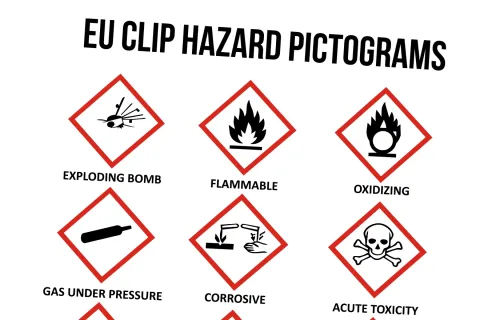
- Proper hazard communication through labels in the official language
- Clear safety instructions
- Child-resistant packaging and tactile warnings where required
Labels must be durable, legible, and resistant to damage during handling and storage to ensure compliance with Korean Chemical labelling standards.
Stay Compliant with Evolving Regulations
South Korea’s regulatory landscape is dynamic, with frequent updates to safety standards and compliance requirements. Staying informed about regulatory changes is crucial to avoid penalties and ensure market access.
Navigating South Korea chemical registration requirements can be complex. Freyr’s regulatory experts provide end-to-end support, from product classification and documentation to dossier submission and ongoing compliance monitoring. Contact Freyr today to ensure your chemical products meet South Korea’s stringent regulatory requirements.