Consult


LHAMA compliance helps ensure the safety of art materials sold in the U.S. by protecting consumers from long-term health risks. The Labeling of Hazardous Art Materials Act (LHAMA) requires manufacturers to evaluate art materials for chronic health hazards. These hazards include serious conditions such as cancer, reproductive toxicity, and neurological damage. Without LHAMA, many harmful substances could go unnoticed. This law ensures that consumers—especially children are informed about potential risks before using products.

LHAMA Compliance for Art materials regulation US
Art materials used in schools, homes, and studios must comply with LHAMA labeling requirements to ensure consumer safety and Regulatory compliance. Enforced by the U.S. CPSC under 16 CFR §1500.14(b)(8), LHAMA requires applicable products to undergo toxicological risk assessment and to comply with ASTM D4236 labeling requirements. The regulation focuses on:
- Clear hazard communication
- Safe usage instructions
- Transparency in ingredients
- Chronic toxicity evaluation
Compliant products may display: “Conforms to ASTM D-4236”
Manufacturers must also conduct 5-year compliance reviews to assess ingredient updates, new scientific data, and labelling accuracy. Global frameworks such as REACH, CLP Regulation, California Proposition 65, and the Canada Consumer Product Safety Act further support international product safety requirements for art materials.

Toxicological Risk Assessment (TRA) Explained
Freyr Solutions’s board-certified toxicologists assess product formulations to identify and recommend applicable chronic hazard statements in line with ASTM D-4236 and LHAMA requirements. Freyr also supports the review of additional labelling elements, including precautionary statements, warning symbols, and other regulatory labelling obligations such as California Proposition 65. Additionally, upon request, Freyr can evaluate art material formulations for compliance with the Federal Hazardous Substances Act (FHSA).
Role of Certified Toxicologists
TRA must be conducted by board-certified toxicologists. These experts analyse:
- 🧪 Chemical composition
- 📊 Exposure levels
- ❤️ Health impact data
Their findings determine whether warnings are required.
Key Components of TRA Evaluation
TRA involves several critical steps:
- ⚠️ Ingredient hazard identification
- 🧫 Raw material impurity analysis
- 👤 Exposure assessment
- 🔗 Interaction between chemicals
- 📈 Risk characterization
This thorough process ensures scientifically sound decisions for ASTM D-4236 compliance.
LHAMA Labeling
Requirements
Key Elements of ASTM D4236 Compliance
Ensure your art materials are labeled correctly for consumer safety and regulatory compliance.
Conformance Statements Explained
Every compliant product must include a statement such as:
✔ "Conforms to ASTM D-4236"
If not placed on the product, it can appear on:

Conforms to
ASTM D-4236
ASTM D-4236
Example placement
on packaging
on packaging
Warning Label Requirements
If hazards are identified, labels must include:
Clear Warnings (e.g., harmful ingredients)
Safe Usage Instructions (how to use safely)
Health Risk Descriptions (potential health effects)
Placement of Labels and Statements
Labels must be:
Visible
Legible
Easy to Understand
Accessible at the point of purchase
Proper placement ensures users are fully informed.
Visible
and legible
Easy to
understand
Accessible at
point of purchase
Products Covered Under LHAMA
Common Art Materials
Included
Included
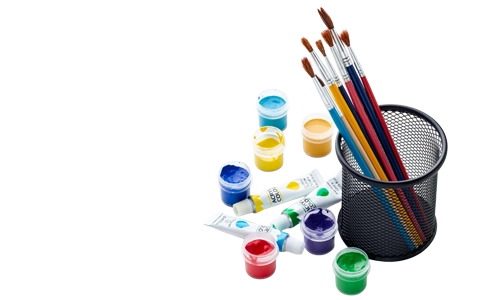
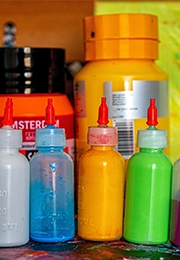
LHAMA applies to a wide range of products:

Crayons
and Chalk
and Chalk

Markers
and Pens
and Pens

Paints
(Acrylic, Oil,
Watercolor)
(Acrylic, Oil,
Watercolor)

Colored
Pencils
Pencils
Specialty and
Hobby Products
Hobby Products
It also includes:
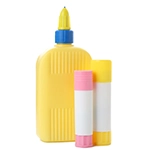
Adhesives
and Glues
and Glues

Canvases


Ceramics
and Coatings
and Coatings

Model Kits
and Craft Sets
and Craft Sets

How to Ensure LHAMA Compliance
Step-by-Step Compliance Process for Art Materials
- 01
Conduct Toxicological Risk Assessment
Evaluate potential health hazards through scientific assessment.
- 02
Review Product Formulation
Analyze ingredients and their safety profiles.
- 03
Prepare Compliant Labels
Develop labels with required warnings, safe use instructions, and conformance statements.
- 04
Document Findings
Maintain complete documentation of assessments, decisions, and rationale.
- 05
Submit Required Information
Submit toxicological data and supporting information to CPSC as required.
- 06
Schedule Periodic Review
Re-evaluate every 5 years or when changes occur to ensure ongoing compliance.


Role of Regulatory Experts
Accurate Assessments
Science-based evaluations for reliable compliance.
Proper Documentation
Complete and compliant documentation support.
Faster Market Entry
Streamlined process for quicker product launch.
Freyr’s LHAMA Compliance Services
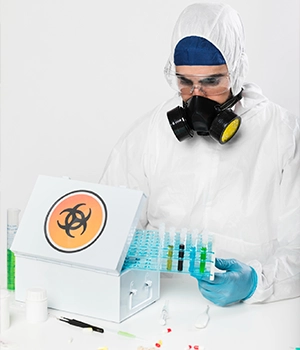
LHAMA Toxicological Assessment
Toxicological Risk Assessment (TRA) for applicable products conducted by DABT-certified toxicologists

ASTM D4236 Label Compliance
Product label review to ensure compliance with LHAMA and U.S. CPSC requirements, including preparation of ASTM D4236-compliant statements and warning labels based on recommendations from the TRA report

Regulatory Gap Analysis
Documentation review for technical gap identification and assessment

U.S. Compliance Evaluation
Evaluation of product compliance for the U.S. market, including California Proposition 65 assessment.

Key elements of Freyr Solutions’s LHAMA evaluation approach include:
🧪
Comprehensive assessment of the chronic toxicity profile of individual chemical ingredients used in the formulation, including evaluation of carcinogenicity, neurotoxicity, reproductive and developmental toxicity, sensitization potential, and target organ or tissue toxicity in relation to anticipated consumer exposure.
⚠️
Consideration of potential synergistic or unforeseen adverse effects arising from ingredient combinations within the formulation.
🌍
Exposure-based assessment covering relevant routes of exposure, including oral, dermal, inhalation, and eye contact, as applicable.
📦
Evaluation of product-specific characteristics such as physical form, size/volume, and accessibility.
👨👩👧
Review of intended product use, target user population, and age group.
👨⚕️
Consideration of both normal use conditions and reasonably foreseeable misuse scenarios.
🏷️
Independent review of art material formulations by toxicology experts certified by the American Board of Toxicology.
✅
Assessment of applicable labeling obligations under Consumer Product Safety Commission Labeling Requirements.
📦
LHAMA certification review in accordance with ASTM D-4236 requirements.
Why LHAMA Compliance Matters
LHAMA compliance helps manufacturers improve consumer safety, product reliability, and market access while reducing the risk of penalties, recalls, and non-compliance issues.
Proper ASTM D4236 labeling, toxicological assessment, and SDS documentation support safer art materials and strengthen brand trust in the U.S. and global markets.
Frequently Asked Questions (FAQs) on MoCRA
We are here to provide you with the information you need quickly and efficiently.
01. What is LHAMA compliance?
It is a U.S. regulatory requirement ensuring art materials are evaluated for chronic health hazards and properly labeled.
02. Is ASTM D4236 mandatory?
Yes, compliance with ASTM D4236 is required under LHAMA.
03. How often must products be reviewed?
Every 5 years.
04. Who conducts the Toxicological Risk Assessment?
A board-certified toxicologist.
05. What happens if a product is hazardous?
It must include clear warning labels and safety instructions.
06. Does LHAMA apply to imported products?
Yes, all products sold in the U.S. must comply, regardless of origin.