Consult

2 min read
The latest update to the EU Classification Labelling and Packaging Regulation (CLP) introduces major changes that chemical manufacturers, importers, and exporters cannot afford to overlook.
The revision introduces:
- 27 new harmonized classification entries
- 16 updated entries
- 7 obsolete classifications removed
- New focus on Endocrine Disruptors (ED)
- Inclusion of Persistent, Bioaccumulative and Toxic (PBT) and Persistent, Mobile and Toxic (PMT) substances under the new CLP Hazard Classes
- A transition period until May 1, 2028, for existing mixtures placed on the market before May 1, 2026
These changes affect hazard classification, Safety Data Sheet updates (SDS), CLP labeling requirements, and supply chain compliance, making proactive preparation essential.
Why This Update Matters
Traditional chemical classification focused mainly on immediate health and physical hazards. The revised CLP framework expands the requirements for evaluating long-term environmental and systemic risks.
New CLP hazard classes include:
Endocrine Disruptors (ED)
Substances capable of affecting hormonal systems now require greater scientific evaluation, including:
- Weight-of-Evidence approaches
- Scientific literature reviews
- Data validation
- Toxicological assessment
PBT and PMT Assessments
The regulation strengthens focus on environmental persistence and mobility through categories such as:
- PBT (Persistent, Bioaccumulative, Toxic)
- vPvB (Very Persistent, Very Bioaccumulative)
- PMT (Persistent, Mobile, Toxic)
- vPvM (Very Persistent, Very Mobile)
These classifications may significantly affect portfolio compliance and product strategies.
Common Compliance Risks Organizations Face
Many companies underestimate the operational impact of regulatory updates.
Outdated Safety Data Sheets (SDS)
SDSs should never remain static documents. To ensure SDS Compliance, updates may become necessary when:
- New hazard information becomes available
- Formulations change
- Supplier data changes
- Classification criteria are revised
Outdated SDS documentation can lead to:
- Regulatory penalties
- Failed audits
- Worker safety concerns
- Shipment delays
- Market access disruptions
Supplier Data Dependency
Over-reliance on outdated supplier SDS information can create:
- Incorrect hazard classifications
- Label inconsistencies
- Supply chain compliance gaps
Supplier information should be periodically reviewed and validated.
Label Misalignment
Updated hazard classifications must align with:
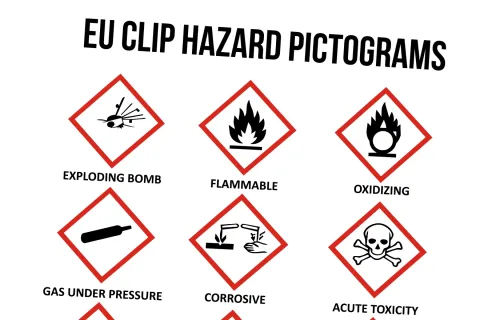
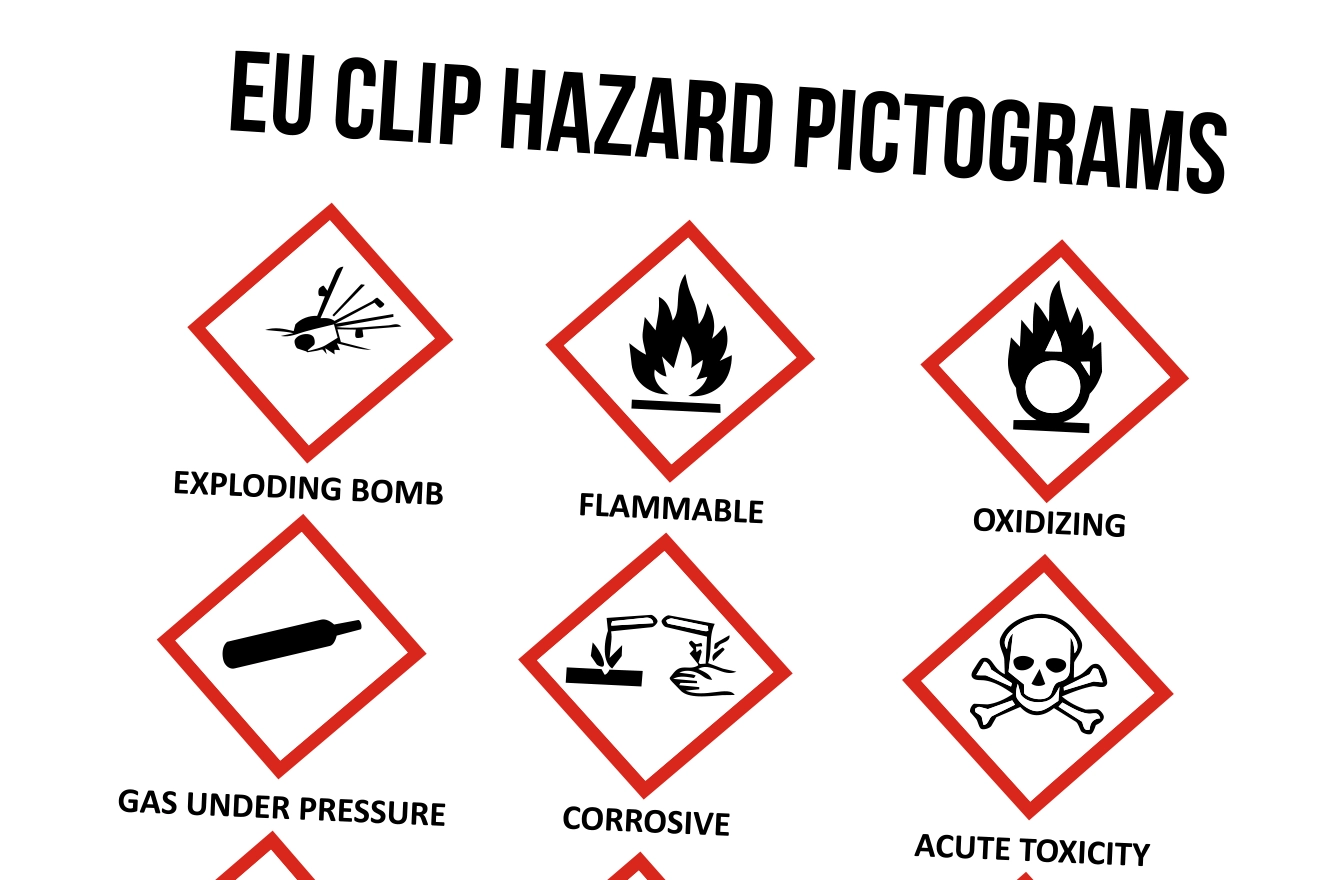
- Hazard pictograms
- Signal words
- Precautionary statements
- Product labels
Classification updates without corresponding label revisions can create compliance failures.
EU CLP Compliance Checklist
Use this checklist to assess readiness:
☑ Review product portfolios for newly impacted substances
☑ Verify hazard classifications align with updated ATP requirements and CLP Hazard Classification
☑ Update SDS Sections 2, 3, 11, and 12 where necessary
☑ Validate supplier SDS information
☑ Review chemical inventory against revised classifications
☑ Evaluate mixture-level compliance impacts
☑ Ensure labels align with updated hazard communication requirements
☑ Train regulatory, EHS, and supply chain teams
☑ Strengthen internal change management systems
Click here to Know More about EU CLP Regulation Update
Why Early Action Matters
Delayed compliance can increase:
- Regulatory risk
- Operational disruptions
- Label redesign costs
- Supply chain challenges
- Export barriers
The latest CLP update is not simply a regulatory exercise; it requires organisations to rethink hazard communication, SDS management, and portfolio compliance strategies.
The key question is no longer:
"Are you compliant today?"
It is:
"Will your compliance systems remain ready tomorrow?"
Organizations that act early can reduce risk, strengthen compliance resilience, and maintain uninterrupted market access in an evolving regulatory landscape.
Unsure how the latest CLP updates impact your products? Connect with Freyr to assess CLP compliance gaps and build a proactive roadmap for CLP Regulation readiness