Consult


2 min read
As the agency responsible for EPA New Zealand hazardous substances oversight, the Environmental Protection Authority (EPA) has officially modernised its chemical tracking with the Hazardous Substances Reporting and Notifications (HSRN) portal. For compliance managers, health and safety officers, and supply chain executives, this shift changes how your business approaches New Zealand chemical registration and interacts with the regulator.
Compliance is no longer a matter of retrospective, periodic paperwork; achieving chemical compliance now means operating an active, digital-first data pipeline built for real-time transparency and rigorous enforcement. Failing to adapt to the HSRN ecosystem exposes your enterprise to operational pauses, customs delays, and severe financial penalties under the Hazardous Substances and New Organisms Act, commonly known as the HSNO Act - the cornerstone legislation governing hazardous material compliance nationwide.
The Strict 30-Day Rule: When the Clock Starts Ticking
The most critical operational update within the HSRN framework is the strict timeline for new chemical introductions.
- The Mandate: Under New Zealand chemical registration requirements, you must report any newly imported or manufactured hazardous substance within 30 days.
- The Trigger Event: The 30-day countdown begins the exact day the substance clears New Zealand customs or the moment the first production batch is completed on the manufacturing floor.
- The Risk: Retrospective or late logging flags your corporate account automatically within the EPA system, triggering immediate compliance reviews.
Key Data Points Required for Your HSRN Submission
Before logging into the HSRN portal New Zealand, your technical team must gather the documentation required for chemical registration and verify specific chemical data points. Having these ready prevents session timeouts and ensures data integrity:
- Proper Identifiers: Complete chemical names, CAS numbers, and UN numbers.
- HSNO Approval Codes: The exact Group Standard or specific substance approval code assigned to your product.
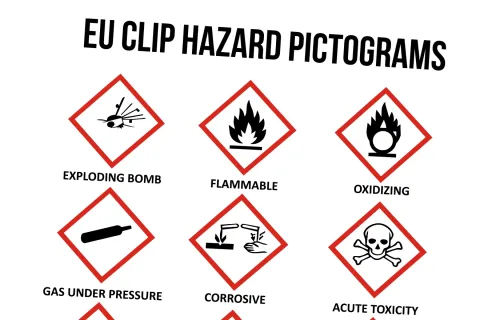
- GHS 7 Classification: Up-to-date hazard classifications aligned with New Zealand's current hazardous substance regulations.
- Volume Forecasts: Accurate estimates of the quantities you intend to import or manufacture annually.
Step-by-Step Action Plan for Compliance Managers
To ensure a seamless transition, strengthen your HSNO compliance, and protect your supply chain, execute this operational checklist immediately:
- Audit Your Inventory: Review every chemical product currently in your warehouse or inbound pipeline to verify its HSNO classification status.
- Assign Portal Roles: Create your corporate account on the HSRN portal New Zealand and delegate specific user permissions (e.g., Data Entry vs. Authorised Signatory).
- Verify SDS Compliance: Ensure your Safety Data Sheets (SDS) exactly mirror the GHS 7 hazard classifications required by the portal.
- Establish Internal Alerts: Set up automated calendar triggers linking your customs clearance receipts directly to your regulatory team to hit the 30-day filing window.
Protect Your Supply Chain
Navigating the nuances of the HSRN portal New Zealand requires a seamless blend of data management and regulatory expertise. Don't risk costly customs delays or compliance penalties on your New Zealand chemicals portfolio due to a clerical oversight.
Contact Freyr’s Regulatory compliance experts today for a comprehensive portfolio audit.