Consult

4 min read
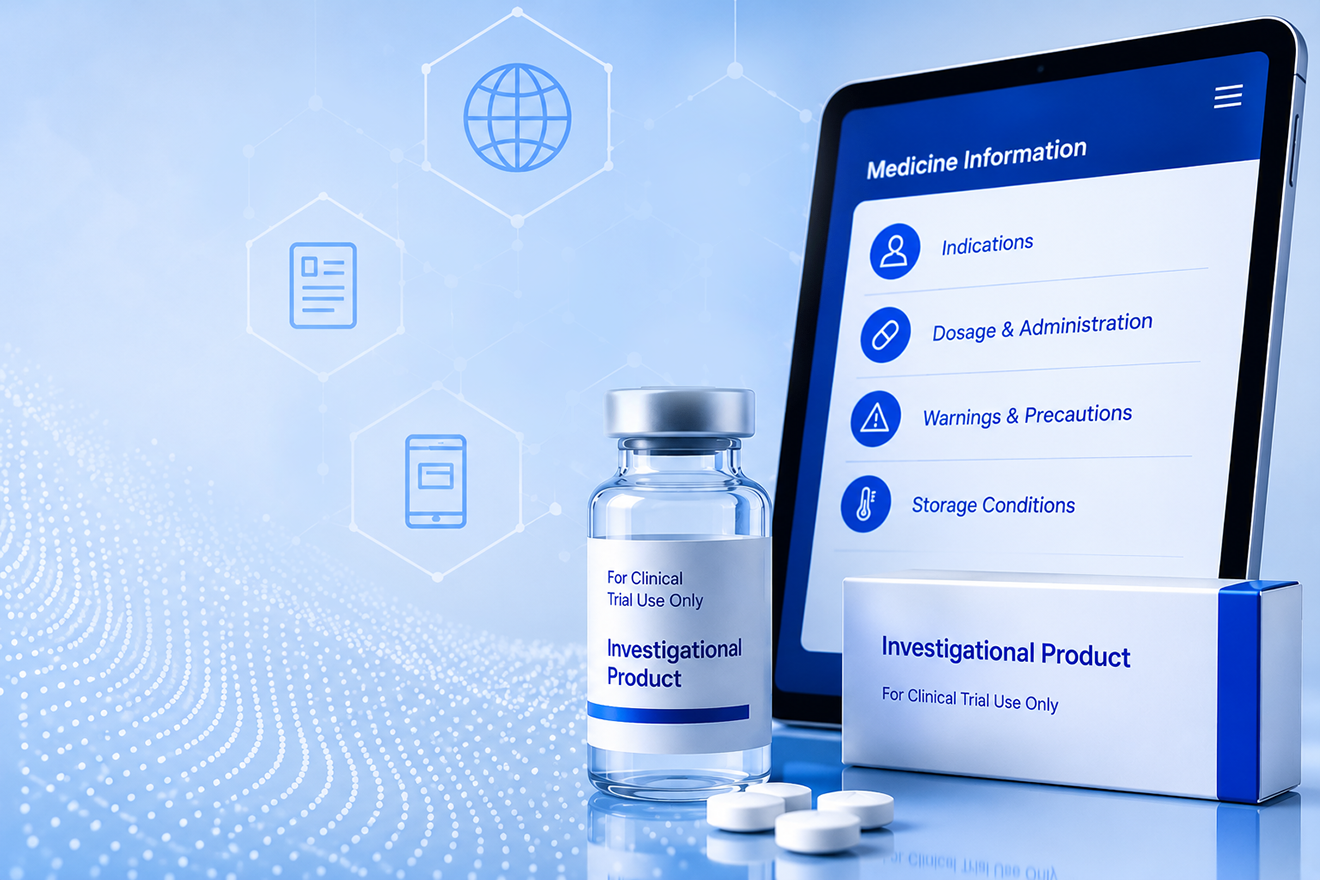
The pharmaceutical industry is undergoing a significant transformation in how product information is created, managed, and delivered. Regulatory authorities worldwide are increasingly exploring digital labeling initiatives to improve accessibility, enhance patient engagement, and enable faster dissemination of approved product information. From electronic Product Information (ePI) programs in Europe to structured product information initiatives across other major markets, the future of labeling is becoming increasingly digital.
As healthcare systems embrace digital transformation and patients expect instant access to information, pharmaceutical companies must prepare for a new generation of product information management. Digital labeling readiness is becoming a strategic priority for organizations seeking to maintain compliance, improve operational efficiency, and support evolving Regulatory expectations.
In 2026, companies that proactively invest in digital labeling capabilities are better positioned to respond to changing Regulatory requirements, accelerate labeling updates, and establish a more agile approach to lifecycle labeling management.
The Shift Toward Digital Product Information
For decades, pharmaceutical labeling has relied heavily on printed package inserts, carton text, prescribing information, and patient leaflets. While these formats continue to play an important role, regulators and industry stakeholders increasingly recognize the limitations of paper-based information.
Printed materials can be difficult to update quickly, may become outdated between production cycles, and often provide limited accessibility for patients and healthcare professionals seeking the most current information.
Digital labeling addresses many of these challenges by enabling:
- Faster implementation of approved updates
- Improved accessibility across devices and platforms
- Better integration with healthcare systems
- Enhanced searchability of product information
- More efficient content management
- Improved patient engagement
As a result, digital product information is becoming a key component of modern Regulatory labeling strategies.
What Does Digital Labeling Readiness Mean?
Digital labeling readiness refers to an organization's ability to create, manage, govern, and distribute product information in structured digital formats while maintaining compliance with Regulatory requirements.
It extends beyond technology implementation and includes:
- Labeling governance frameworks
- Content management processes
- Data standardization
- Change management procedures
- Global labeling strategies
Regulatory intelligence capabilities
Organizations that are digitally ready can more effectively adapt to evolving requirements and emerging digital health initiatives.
Key Drivers Accelerating Digital Labeling Adoption
Several industry trends are contributing to the increased adoption of digital labeling solutions.
Regulatory Modernization
Health authorities worldwide are exploring electronic product information models to improve access to approved medicinal product information.
Global Harmonization Efforts
Regulators and industry groups are working toward standardized approaches to electronic product information and structured content management.
Demand for Faster Safety Communication
The ability to rapidly communicate new safety information has become increasingly important as pharmacovigilance activities expand globally.
Digital Health Ecosystems
Electronic health records, mobile health applications, and connected healthcare platforms are creating new opportunities for integrating product information into clinical workflows.
Sustainability Initiatives
Reducing reliance on printed materials supports broader environmental and sustainability objectives across the pharmaceutical industry.
Assessing Organizational Readiness
Before implementing digital labeling initiatives, organizations should evaluate their current capabilities.
Content Structure and Standardization
Many organizations still manage labeling information through multiple disconnected documents and systems. Structured content management is often a prerequisite for digital transformation.
Labeling Governance
Clear ownership and decision-making processes are essential for maintaining consistency across global product information.
Technology Infrastructure
Companies should assess whether existing systems can support structured content, digital workflows, and future electronic product information requirements.
Regulatory Compliance Processes
Organizations must ensure that digital content management processes remain aligned with global Regulatory expectations.
Global Labeling Strategy
A centralized strategy helps ensure that digital initiatives support both local requirements and global consistency objectives.
Building a Future-Ready Digital Labeling Program
Successful digital labeling programs typically include several foundational elements.
Establish a Single Source of Truth
Organizations should maintain centralized product information that serves as the authoritative source for global labeling content.
Strengthen CCDS Governance
The Company Core Data Sheet (CCDS) remains essential for ensuring consistency across markets and supporting future digital labeling initiatives.
Implement Structured Content Management
Structured content allows organizations to reuse approved information efficiently while improving traceability and consistency.
Develop Cross-Functional Collaboration
Regulatory Affairs, Medical Affairs, Safety, Quality, and Information Technology teams should work together to support digital transformation efforts.
Monitor Emerging Regulatory Requirements
Digital labeling initiatives continue to evolve, making Regulatory intelligence a critical component of readiness planning.
Common Challenges in Digital Labeling Transformation
While the benefits are significant, organizations often encounter challenges when transitioning toward digital labeling.
These may include:
- Legacy systems and processes
- Inconsistent global content management
- Resource constraints
- Regional Regulatory differences
- Data standardization issues
- Change management complexities
Addressing these challenges early can help organizations achieve a smoother transition and maximize long-term value.
The Future of Product Information
The future of pharmaceutical labeling will likely involve greater use of structured content, electronic product information, digital patient communication, and integrated healthcare platforms. As Regulatory authorities continue exploring digital-first approaches, organizations that have already established strong digital foundations will be better positioned to adapt and innovate.
Digital labeling is not simply a technology initiative—it represents a broader shift toward more accessible, efficient, and patient-centric product information management.
Conclusion
Digital labeling readiness has become a strategic imperative for pharmaceutical companies operating in an increasingly digital and globally regulated environment. By investing in governance, structured content management, technology infrastructure, and Regulatory intelligence, organizations can prepare for the next generation of product information while improving compliance and operational efficiency.
Companies that take proactive steps today will be better equipped to support future electronic product information requirements, accelerate labeling updates, and deliver more accessible product information to healthcare professionals and patients worldwide.
Freyr Solutions helps pharmaceutical companies prepare for digital labeling through global labeling strategy, CCDS management, structured content frameworks, lifecycle labeling support, Regulatory intelligence, and e-labeling readiness assessments. Partner with Freyr to build a future-ready labeling program that supports compliance, efficiency, and digital transformation across global markets.