Consult

3 min read
Drug labeling is one of the most highly regulated and operationally important areas of the pharmaceutical industry. It plays a direct role in patient safety, prescribing accuracy, and Regulatory compliance, which is why even small changes must be handled with care. As Regulatory expectations continue to evolve in 2026, companies must manage labeling with precision across markets, product types, and product lifecycle stages.
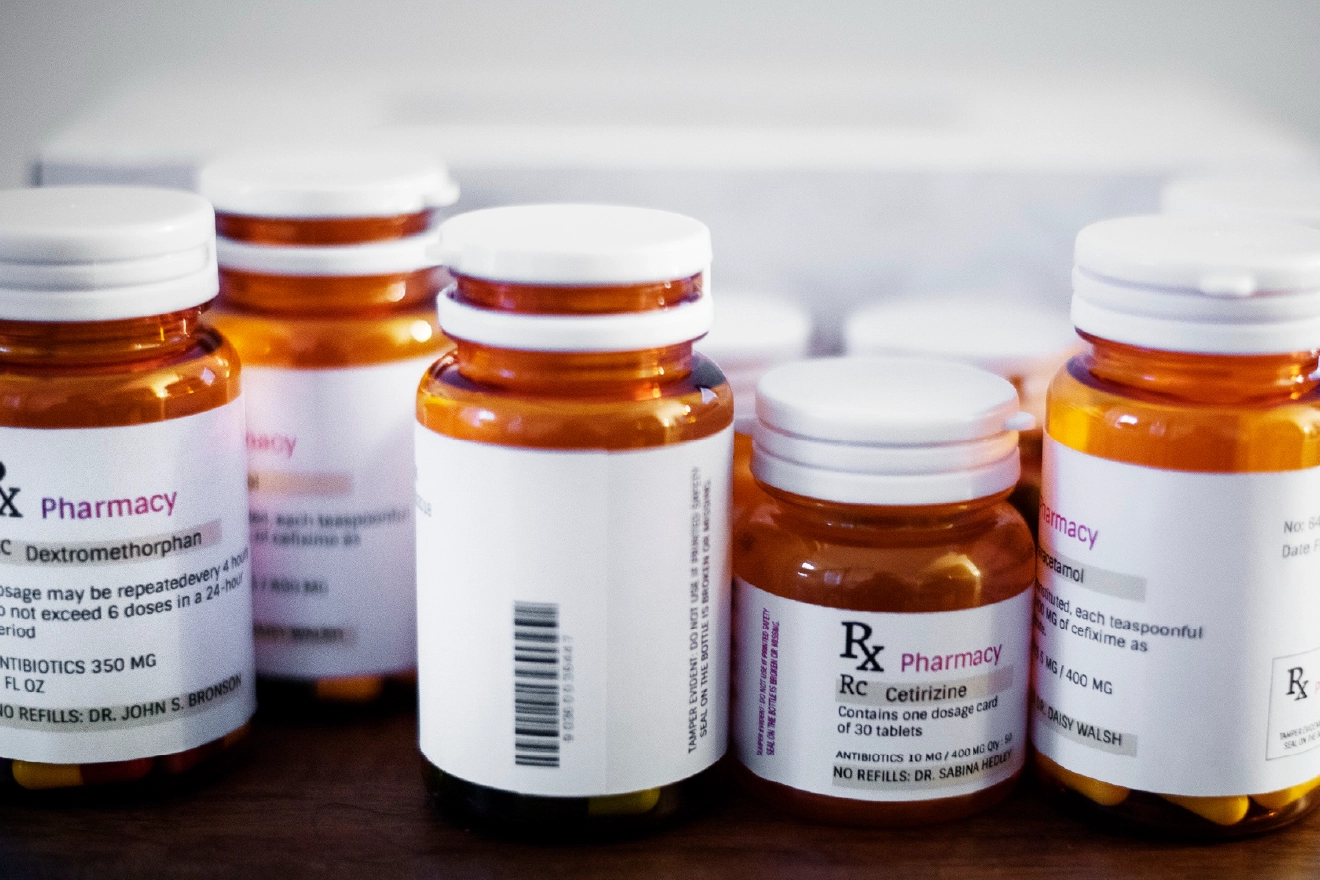
At its core, drug labeling is a communication tool that must clearly and consistently convey approved information. It includes prescribing information, carton text, patient leaflets, and package labels. Each element must align with the approved product profile, local Regulatory expectations, and the needs of healthcare professionals and patients.
The challenge is not limited to initial approval. Labeling continues to evolve after launch as new safety data, Regulatory updates, manufacturing changes, and market-specific requirements emerge. This makes labeling management a lifecycle activity rather than a one-time submission task. Companies that treat it as such are better positioned to maintain compliance and avoid costly delays.
Why Drug Labeling is Complex
Drug labeling becomes complex because it must satisfy multiple objectives at once. It must be scientifically accurate, regulatorily compliant, easy to understand, and suitable for local market requirements. In global organizations, the same product may require different versions of labeling depending on language, format, patient population, or country-specific rules.
Safety updates are another major source of complexity. When new warnings, precautions, or side effects are required, labeling changes must be carefully reviewed to ensure the revised content remains consistent across all product materials. A single inconsistency between the prescribing information and carton label can create compliance risk and confusion in the supply chain.
Complexity increases when products are marketed in multiple dosage forms or strengths. Each presentation may require separate review, artwork, and approval coordination. That means labeling teams need close collaboration with Regulatory Affairs, medical, quality, pharmacovigilance, and supply chain functions.
Best Practices for Compliance
A strong labeling process begins with clear governance. Companies should maintain a controlled source of approved content so that all regional versions are built from the same validated core. This helps reduce discrepancies, improve traceability, and support faster review cycles.
Cross-functional involvement is essential. Regulatory teams should work with medical, safety, quality, and commercial stakeholders early in the process to confirm that product claims, warnings, dosage directions, and usage instructions are accurate and aligned. This reduces the risk of late-stage rework and prevents avoidable delays.
Version control should also be treated as a critical compliance step. Every update should be documented with a clear rationale, approval trail, and market impact assessment. This becomes especially important during inspections, partner audits, and periodic review activities.
Current Industry Trends
One of the strongest trends in drug labeling is the increasing need for faster safety communication. As post-market information becomes more important to product oversight, companies must be prepared to update labeling promptly while preserving accuracy and consistency. This has made labeling governance more central to Regulatory operations.
Another trend is the growing importance of global harmonization. Pharmaceutical companies are under pressure to maintain consistency across regions while still meeting local requirements. That balance requires disciplined review processes and close coordination across markets.
There is also a greater focus on patient-facing clarity. Labels and package inserts must be more understandable without losing Regulatory precision. As a result, companies are paying closer attention to language consistency, readability, and content structure.
Building a Stronger Model
The most effective companies treat drug labeling as a structured lifecycle process. That means defining ownership for content creation, review, approval, translation, implementation, and archive management. It also means maintaining clear triggers for updates so that labeling changes are not delayed or overlooked.
Leadership support is important as well. When labeling is seen as a strategic compliance function rather than a back-office task, organizations are more likely to invest in governance, training, and cross-functional review. That improves both efficiency and compliance outcomes.
For pharmaceutical companies operating across multiple markets, this approach offers clear value. It helps reduce delays, supports safer product use, and strengthens readiness for Regulatory scrutiny. In a complex environment, well-managed labeling can become a meaningful competitive advantage. Partner with Freyr to streamline drug labeling, strengthen compliance, and support global execution with confidence.