Consult


3 min read
Introduction
In drug development, decisions made early often determine outcomes years later — especially when it comes to labeling. Waiting until late-stage development to consider label content results in rework, inconsistent messaging, and delayed submissions. This is where the Target Product Profile (TPP) becomes indispensable. A well-constructed TPP aligns clinical, Regulatory, and commercial objectives from the outset, giving every function a shared vision of what the final product — and its label — needs to achieve. Far from being a planning formality, the TPP is the strategic thread that connects early development choices to eventual labeling success.
What Is a Target Product Profile?
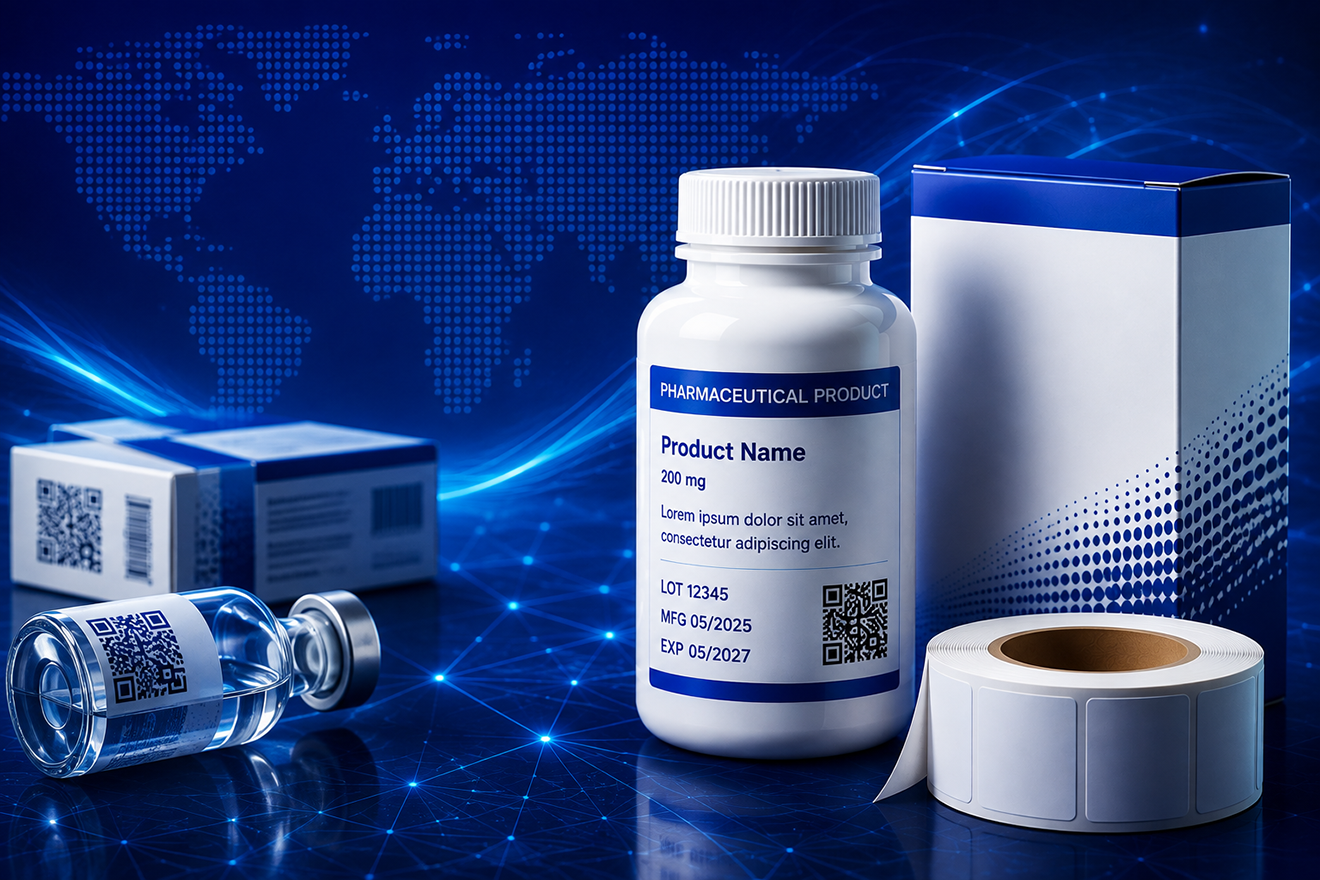
A Target Product Profile is a structured document that outlines the desired characteristics of a drug product, framed in the format of its eventual labeling. It captures the intended indication, target population, dosing, safety expectations, and clinical claims — essentially describing what the product label should look like once approved. During development, the TPP acts as a forward-looking blueprint, guiding teams toward the evidence and data needed to support those claims. Its relationship to future labeling is direct: the TPP essentially serves as an early draft of the label, refined and validated as clinical data matures. Organizations that invest in clinical labeling services early in development are better positioned to translate TPP assumptions into submission-ready label content without last-minute surprises.
Why TPP Matters Throughout Development
A TPP isn't a one-time exercise filed away after kickoff — it actively shapes the entire development journey. It guides clinical strategy by helping teams design trials that generate the specific evidence needed to support intended claims. It supports Regulatory interactions by giving health authorities a clear, consistent picture of the sponsor's intent during scientific advice meetings and pre-submission discussions. It facilitates evidence generation by keeping data collection focused on what ultimately needs to appear in the label, rather than gathering data that doesn't serve labeling goals. And critically, it drives labeling decisions, ensuring that indications, safety language, and dosing recommendations are grounded in a consistent strategic vision rather than assembled reactively at submission time.
Key Elements of an Effective TPP
An effective TPP is built on several core elements:
- Indications: The specific disease states or conditions the product is intended to treat.
- Target population: The patient demographics, including any subpopulations of interest.
- Clinical endpoints: The efficacy measures that will demonstrate therapeutic benefit.
- Safety profile: Anticipated adverse events, contraindications, and risk mitigation needs.
- Dosing strategy: Intended dosing regimen, route of administration, and administration considerations.
- Competitive differentiation: How the product distinguishes itself from existing therapies in the same class.
Each of these elements feeds directly into label architecture, making early clarity on these points essential to avoiding downstream labeling conflicts.
Best Practices for Developing and Maintaining TPPs
A TPP is only as valuable as the process behind it. Cross-functional collaboration between clinical, Regulatory, medical affairs, and commercial teams ensures the document reflects a complete, realistic picture of the product rather than a single function's perspective. Periodic updates are essential — a TPP created in Phase 1 should evolve as data accumulate, not remain frozen while the product evolves around it. This means maintaining close alignment with evolving clinical data, adjusting assumptions as trial results come in rather than clinging to original projections. Finally, integration with CCDS and broader labeling strategy ensures the TPP doesn't exist in isolation but actively informs the developmental Company Core Data Sheet and downstream regional labeling activities.
Long-Term Value of a Well-Designed TPP
The payoff of a strong TPP extends well beyond a single document. It leads to better development decisions, since teams are working toward a clearly defined target rather than adjusting course reactively. It results in smoother Regulatory submissions, because label content has already been anticipated and substantiated with the right evidence. And it enables stronger planning for commercialization, giving marketing and market access teams a reliable, early view of anticipated claims and positioning — well before approval is in hand.
Conclusion
A Target Product Profile is far more than a development planning tool — it's the foundation on which successful labeling, Regulatory strategy, and commercialization are built. Organizations that treat the TPP as a living, cross-functionally owned document set themselves up for faster, smoother paths to market. Freyr Solutions works with pharmaceutical companies to build TPPs that translate seamlessly into developmental CCDS and global labeling strategies, helping teams move from early clinical planning to submission-ready labeling with confidence. Connect with our experts to strengthen your product's path from development to market.