Consult

Global Regulatory Support for Novel Food Approval, NDIN, GRAS, FAP, and NSF Compliance
Bringing innovative food ingredients, functional foods, and dietary supplements to market requires navigating increasingly complex novel food regulations. Regulatory authorities worldwide require scientific substantiation, safety assessments, ingredient evaluations, and, in many cases, pre-market authorization before commercialization.
Whether your product requires a New Dietary Ingredient Notification (NDIN), Generally Recognized as Safe (GRAS) determination, Food Additive Petition (FAP), Non-Specified Food (NSF) approval, or another novel food pathway, selecting the correct regulatory strategy is critical for successful market entry.
Freyr helps food manufacturers, ingredient suppliers, innovators, and dietary supplement companies navigate global novel food requirements through end-to-end regulatory support designed to accelerate commercialization while managing compliance risks.
What Are Novel Food Regulations?
Novel food regulations govern the evaluation, approval, and commercialization of food ingredients and food products that do not have an established history of safe use within a specific market.
Before market entry, regulatory authorities may require organizations to demonstrate product safety through scientific evidence, toxicological assessments, exposure evaluations, manufacturing information, and supporting regulatory documentation.
Novel food regulatory requirements commonly include:

Ingredient identity and characterization

Manufacturing process information
Safety and toxicological evaluations

Scientific substantiation

Dietary exposure assessments

Regulatory submission preparation

Authority review and compliance management
Failure to meet applicable requirements can result in approval delays, regulatory objections, or market access challenges.
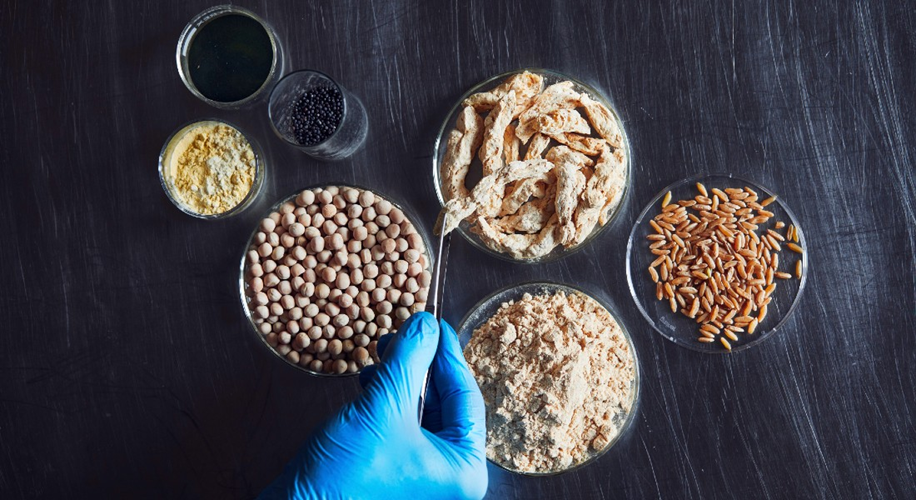
Understanding the Global Novel Food Regulatory Landscape
Novel food requirements vary significantly across jurisdictions. While some countries require pre-market approval, others rely on notification-based frameworks or scientific safety determinations.
Organizations commercializing innovative ingredients should evaluate the applicable pathway based on product category, intended use, available safety evidence, and target market requirements.
Common regulatory pathways include:
| Market | Regulatory Authority | Regulatory Pathway |
|---|---|---|
| United States | FDA | NDIN |
| United States | FDA | FDA Notification |
| United States | FDA | Food Additive Petition (FAP) |
| India | FSSAI | Non-Specified Food (NSF) Approval |
| European Union | European Commission (risk management) / EFSA (risk assessment) | Novel Food Authorization |
Selecting the appropriate pathway early can help reduce regulatory risks and accelerate market entry.
Which Regulatory Pathway Is Right for Your Product?
Understanding the intended use of your ingredient is often the first step in determining the appropriate regulatory strategy.
| If Your Product Is | You May Need |
|---|---|
| A new dietary supplement ingredient in the U.S. | NDIN |
| A conventional food ingredient supported by scientific consensus | GRAS |
| An ingredient requiring FDA pre-market approval | Food Additive Petition (FAP) |
| Novel food ingredients in India – New bioactive compounds, new botanicals not covered under FSSAI, novel ingredients entering India, ingredients with safe use abroad but not recognized under Indian regulations, and foods manufactured using novel technologies | NSF Approval |
| A novel ingredient entering the European Union (EU) | EU Novel Food Authorization |
Not sure which pathway applies to your product? Our regulatory experts can help determine the most appropriate strategy.
NDIN Regulatory Services
A New Dietary Ingredient Notification (NDIN) is required for dietary ingredients that were not marketed in the United States before October 15, 1994.
Successful NDIN submissions require manufacturers or distributors to establish a reasonable expectation of safety under the proposed conditions of use through scientific evidence, toxicological data, manufacturing and quality information, identity and specifications, proposed conditions of use, and other supporting documentation.
Freyr supports organizations with NDIN applicability assessments, regulatory strategy, safety evaluations, gap assessments, dossier preparation and review, compilation of supporting scientific documentation, and submission support to the U.S. Food and Drug Administration (FDA).
GRAS Regulatory Services
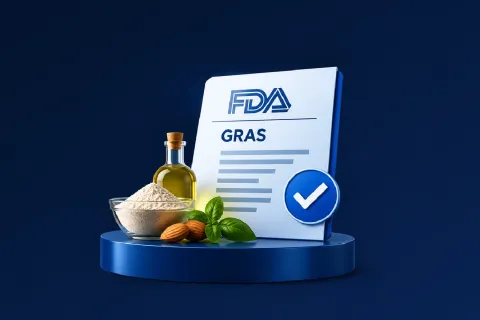
Generally Recognized as Safe (GRAS) is a regulatory pathway for substances intended for use in conventional foods when their safety is supported by publicly available scientific evidence, and there is consensus among qualified experts that the substance is safe under its intended conditions of use.
Developing a scientifically robust GRAS conclusion requires a comprehensive evaluation of the ingredient's identity, manufacturing process, specifications, intended use, estimated dietary exposure, safety data, and supporting scientific literature.
Freyr provides FDA GRAS applicability assessments, regulatory strategy, scientific literature reviews, safety evaluations, exposure assessments, GRAS dossier preparation, and FDA GRAS notification support.
Food Additive Petition (FAP) Services
Food additives that do not qualify for Generally Recognized as Safe (GRAS) status or another exemption from the definition of a food additive generally require FDA approval through the Food Additive Petition (FAP) process before they can be legally market for use in food products.
Successful Food Additive Petitions require robust scientific evidence demonstrating the safety of the additive under its intended conditions of use. Supporting information may include, as appropriate, toxicological data, dietary exposure assessments, manufacturing information, technical specifications, and other scientific documentation for FDA review.
Freyr supports organizations throughout the Food Additive Petition lifecycle with regulatory applicability assessments, regulatory strategy, safety evaluations, exposure assessments, petition preparation, scientific documentation, and FDA submission support.

Non-Specified Food (NSF) Approval Services
Foods or food ingredients that are not covered under existing Food Safety and Standards Authority of India (FSSAI) regulations or standards may require approval under the Non-Specified Food (NSF) framework before they can be manufactured, imported, or marketed in India.
Successful NSF applications typically require comprehensive scientific evidence to demonstrate the safety and suitability of the food or ingredient, along with ingredient evaluations, product specifications, manufacturing information, intended use, and supporting regulatory documentation.
Freyr provides end-to-end support for NSF applicability assessments, product classification, regulatory strategy, dossier preparation, scientific documentation, submission support, and regulatory compliance.
Common Reasons Novel Food Applications Face Regulatory Challenges
Novel food applications frequently encounter delays because of deficiencies in scientific evidence, regulatory strategy, or supporting documentation.
| Common Challenge | Potential Impact |
|---|---|
| Incomplete safety evidence | Additional information requests |
| Weak toxicological substantiation | Regulatory objections |
| Poor ingredient characterization | Review delays |
| Incorrect product classification | Inappropriate pathway selection |
| Incomplete manufacturing information | Submission deficiencies |
| Inadequate exposure assessments | Safety concerns during review |
| Poor submission quality | Extended review timelines |
A proactive regulatory strategy can help organizations identify and address potential issues before submission.
Regulatory Review Timelines
Regulatory review timelines vary depending on the pathway, product complexity, and supporting evidence.
| Regulatory Pathway | Typical Timeline* |
|---|---|
| NDIN | Approximately 75 Days |
| FDA GRAS Notification | Approximately 6 – 9 months |
| Food Additive Petition (FAP) | Often 18 – 36 Months (or longer) |
| NSF Approval | Case Dependent |
| EU Novel Food Authorization | Typically 18–24 months |
*Actual timelines may vary depending on product complexity, authority review requirements, and submission quality.
How Can Freyr Help?

End-to-end NDIN Regulatory Services

End-to-end GRAS Regulatory Services

Food Additive Petition (FAP) Regulatory Support

End-to-end Non-Specified Food (NSF) Approval Support

Novel Ingredient Compliance Assessments

Safety and Toxicological Evaluations

Scientific Substantiation Reviews

Regulatory Strategy Development

Market Access Support
Why Choose Freyr?

End-to-end support across the novel food regulatory lifecycle.

Regulatory strategies tailored to your ingredient, intended use, and commercialization objectives.

Scientific, toxicological, and regulatory expertise delivered through multidisciplinary teams.

Experience supporting dietary supplements, food ingredients, additives, and innovative food products.

Proactive identification and mitigation of scientific and regulatory risks.

Integrated support across ingredient compliance, labeling, artwork, and market access requirements.

Global regulatory expertise spanning key international markets.

Responsive guidance throughout product development, submission, and commercialization.

A collaborative approach focused on accelerating market entry while maintaining novel food compliance.
Ready to Bring Your Novel Food Product to Market?
From regulatory pathway selection and safety assessments to submission preparation and authority interactions, our experts help food and dietary supplement companies navigate complex novel food requirements with confidence.
Frequently Asked Questions (FAQs)
Whether you're evaluating a new ingredient, determining the appropriate regulatory pathway, or preparing for market entry, these FAQs address common questions related to novel food regulations, approvals, and compliance requirements.
01. What are novel food regulations?
Novel food regulations govern the approval and commercialization of food ingredients that do not have an established history of safe use within a specific market.
02. What is NDIN?
NDIN (New Dietary Ingredient Notification) is an FDA notification process for dietary ingredients not marketed in the United States before October 15, 1994.
03. What is GRAS?
GRAS (Generally Recognized as Safe) is a regulatory pathway used to demonstrate the safety of ingredients intended for use in conventional foods.
04. What is a Food Additive Petition?
A Food Additive Petition is a formal submission seeking FDA approval for the use of a food additive under specified conditions.
05. What is NSF Approval?
NSF Approval refers to the regulatory pathway for Non-Specified Foods under FSSAI in India.
06. How do I determine which pathway applies to my ingredient?
The appropriate pathway depends on the ingredient, intended use, target market, available safety evidence, and applicable regulatory requirements.
07. What documentation is commonly required for novel food applications?
Requirements may include ingredient specifications, manufacturing information, safety studies, scientific literature, exposure assessments, and supporting regulatory documentation.
08. How can regulatory consulting support market access?
Regulatory consulting helps organizations navigate complex requirements, reduce compliance risks, and prepare high-quality submissions that support efficient market entry.
Need Help Navigating Novel Food Regulations?
Whether you require NDIN support, FDA GRAS evaluations, Food Additive Petition assistance, NSF approval guidance, or broader novel food regulatory support, our experts can help develop a strategy aligned with your product and commercialization objectives.