Consult


2 min read
The global pharmacovigilance landscape is evolving rapidly. Regulatory agencies worldwide are increasing expectations around safety governance, partner oversight, risk management, and compliance accountability. As pharmaceutical companies expand into multiple markets and operate through increasingly complex partner ecosystems, pharmacovigilance governance is becoming a strategic business priority rather than simply an operational requirement.
Organizations today are expected not only to process safety data efficiently, but also to demonstrate strong governance frameworks capable of supporting global safety operations, inspection readiness, and patient safety assurance.
The Shift from PV Operations to PV Governance
Traditionally, pharmacovigilance programs focused heavily on operational activities such as:
- Adverse event case processing
- Literature monitoring
- Aggregate reporting
- Safety database management
While these activities remain essential, regulators are now placing increasing emphasis on how organizations govern their overall pharmacovigilance systems.
This includes:
- Risk management oversight
- Partner accountability
- Safety agreement governance
- Inspection preparedness
- Compliance traceability
- Cross-functional safety coordination
As a result, pharmacovigilance governance is emerging as a critical differentiator for global pharmaceutical organizations.
Increasing Regulatory Scrutiny Across Global Markets
Regulatory authorities such as the U.S. Food and Drug Administration and the European Medicines Agency continue strengthening oversight around pharmacovigilance compliance and safety governance practices.
Organizations are increasingly being evaluated on:
- Risk management effectiveness
- Vendor oversight processes
- Compliance documentation
- Pharmacovigilance agreements
- Safety communication frameworks
- Global reporting accountability
Regulators expect organizations to maintain clear governance structures capable of supporting increasingly complex global safety operations.
Why REMS and Risk Management Plans Are Becoming More Strategic
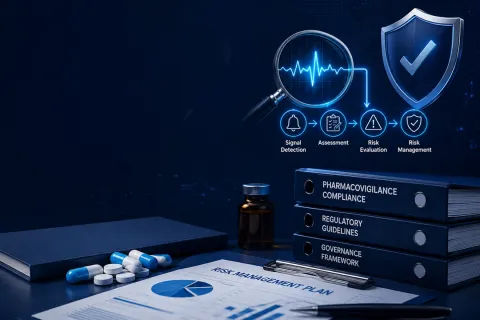
Risk management activities are becoming central to modern pharmacovigilance programs.
REMS: Risk Evaluation and Mitigation Strategies (REMS) are designed to ensure that products with serious safety concerns maintain a favorable benefit-risk profile.
REMS programs often involve:
- Safety communication requirements
- Healthcare provider education
- Monitoring activities
- Reporting obligations
- Compliance tracking
Managing REMS effectively requires strong coordination across regulatory, medical, and safety teams.
Risk Management Plans (RMPs): are essential components of global regulatory submissions and lifecycle safety monitoring.
Regulators increasingly expect organizations to demonstrate:
- Proactive risk identification
- Continuous benefit-risk evaluation
- Risk minimization effectiveness
- Ongoing safety monitoring
As global pharmacovigilance requirements expand, Risk Management Plans management is becoming increasingly operationally and strategically complex.
The Growing Importance of PV Agreements and SDEAs
Modern pharmaceutical ecosystems rely heavily on:
- Licensing partnerships
- Co-development agreements
- Distributors
- CRO partnerships
- Third-party vendors
This creates significant drug safety governance challenges.
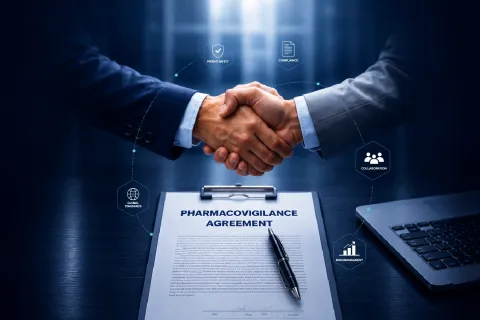
Safety Data Exchange Agreements (SDEAs) and pharmacovigilance agreements help define:
- Safety responsibilities
- Reporting timelines
- Escalation procedures
- Compliance ownership
- Inspection obligations
Poorly managed agreements can create serious compliance risks, particularly during inspections and audits.
Why Organizations Are Seeking Specialized Governance Support
Pharmaceutical companies increasingly face:
- Global regulatory expansion
- Resource limitations
- Evolving safety expectations
- Higher inspection frequency
- Increasing partner network complexity
As a result, organizations are seeking specialized expertise to strengthen:
- Governance frameworks
- Risk management programs
- Safety oversight processes
- Compliance documentation
- Partner accountability
This shift is creating growing demand for strategic pharmacovigilance services and governance support.
The Future of Pharmacovigilance Governance
The future of pharmacovigilance will increasingly focus on:
- Integrated governance models
- Global compliance visibility
- Risk-based oversight
- AI-enabled safety monitoring
- Stronger vendor governance
- Lifecycle safety accountability
Organizations that strengthen pharmacovigilance governance today will be better positioned to navigate evolving regulatory expectations and maintain long-term compliance success.
Conclusion
Pharmacovigilance governance is no longer a secondary operational consideration. It has become a critical component of global regulatory compliance and patient safety strategy.
As organizations continue expanding globally and managing increasingly complex safety ecosystems, strong governance frameworks will play an essential role in ensuring compliance, reducing risk, and supporting long-term pharmacovigilance excellence.