Consult


2 min read
Safety Data Sheets (SDSs) are vital for conveying chemical hazards, safe handling procedures, and emergency response strategies. Nevertheless, many organisations view SDSs as fixed documents.
SDSs must be continuously updated to reflect evolving global chemical regulations, formulation changes, and new hazard data, and to ensure compliance with Safety Data Sheet update requirements. When they are not, they pose serious and often hidden risks across global supply chains.
Why Up-to-Date Safety Data Sheets Matter
SDSs are essential for the reasons mentioned.
Global frameworks such as OSHA (US), REACH & CLP (EU), WHMIS (Canada), and GHS require SDSs to remain accurate and up to date.
- Under EU REACH SDS requirements, SDSs must be updated without delay when new information becomes available
- Under OSHA SDS requirements, SDSs must be updated within 90 days of identifying new hazard information

Key Risks of Outdated SDSs
- Worker Safety Risks
Outdated SDSs might not show the most recent hazard classifications or safety measures, causing:
- Incorrect use of personal protective equipment (PPE)
- Unsafe handling and storage practices
- Increased exposure risks
Accurate and up-to-date hazard information is crucial for maintaining safe work environments.
- Regulatory non-compliance
Failure to update SDSs can result in:
- Regulatory penalties and enforcement actions
- Failed audits and inspections
- Non-compliance across multiple regions
With ongoing updates to Safety Data Sheet regulations, such as GHS SDS revisions, EU CLP ATPs, and OSHA hazard communication standards, outdated SDSs quickly become non-compliant.
- Supply Chain Disruptions
SDSs are critical for downstream users, including distributors and customers.
Outdated SDSs can cause:
- Incorrect SDS risk assessment
- Delays in product approvals
- Shipment rejections or market access issues
This can disrupt operations across the entire supply chain.
- Inconsistent Hazard Communication
Outdated SDSs often lead to inconsistencies between SDSs and labels, such as:
- Mismatched hazard classifications
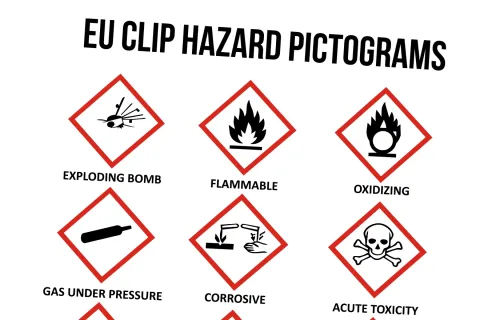
- Incorrect pictograms or signal words
- Conflicting safety instructions
Such inconsistencies are a major Safety Data Sheet compliance risks and can trigger regulatory scrutiny.
- Emergency Response Failures
During incidents such as spills or exposures, emergency responders rely on SDSs for accurate guidance.
Outdated SDSs can result in:
- Incorrect first-aid or response measures
- Delayed or ineffective action
- Increased severity of incidents
- Audit and Operational Risks
Outdated SDSs often indicate gaps in internal processes, including:
- Lack of version control
- Weak change management systems
- Poor documentation practices
This can lead to:
- Audit findings and non-conformities
- Increased remediation costs
- Reputational damage
Business Impact of Outdated SDSs
Beyond SDS compliance, outdated SDSs can directly affect business performance:
- Market Access Risks: Non-compliant SDSs can prevent entry into regulated markets
- Revenue Loss: Shipment delays and product rejections impact sales
- Legal Liability: Increased risk in case of safety incidents
- Loss of Trust: Customers rely on accurate and reliable safety data
Best Practices for SDS Management
To reduce risks associated with outdated SDSs and ensure chemical compliance management, organisations should:
- Establish Strong Change Management Processes
Ensure any formulation, regulatory, or hazard-related change triggers a timely SDS review.
- Centralise SDS Management
Use digital systems to:
- Maintain version control
- Track updates
- Ensure accessibility across teams
- Align SDSs with Labels and Regulations
Ensure consistency in:
- Hazard classifications
- Label elements
- Regional compliance requirements
- Conduct Regular SDS Audits
Periodic reviews help identify outdated or inconsistent SDSs before audits or incidents.
- Strengthen Supply Chain Communication
Ensure updated SDSs are promptly shared with all downstream users.
Conclusion
Outdated SDSs are not just a documentation issue; they pose a significant hidden risk in global supply chains. They can affect worker safety, Regulatory compliance, operational continuity, and business performance. Avoid compliance risks and delays. Get in touch with Freyr’s experts for timely SDS updates and Regulatory support.