Consult


Introducing a new food additive into the U.S. market requires more than innovation; it requires demonstrating safety under the intended conditions of use and obtaining FDA authorization where applicable.
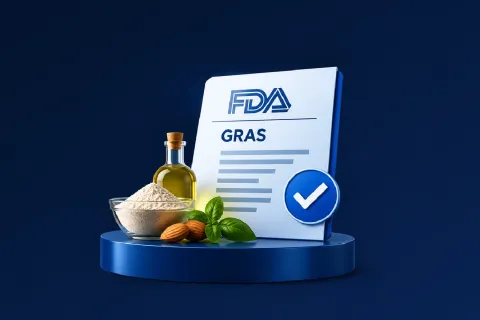
Under the Federal Food, Drug, and Cosmetic Act (FD&C Act), food additives generally require FDA approval before they can be marketed unless they are excluded from the definition of a food additive or otherwise exempt from premarket approval, such as substances that are Generally Recognized as Safe (GRAS).
Determining whether an ingredient requires a Food Additive Petition, evaluating available safety data, and preparing a scientifically robust submission can be complex. Insufficient evidence, data gaps, or incomplete petitions can result in extended review timelines and commercialization delays.

What Is a Food Additive Petition (FAP)?
A Food Additive Petition (FAP) is a formal request submitted to the FDA seeking approval for the safe use of a food additive under specific conditions of use.
The petition must provide scientific evidence demonstrating that the additive is safe for its intended purpose and that there is a reasonable certainty of no harm under the proposed conditions of use.
Food additives may include:

Preservatives

Stabilizers

Emulsifiers

Flavoring substances

Processing aids

Novel food ingredients

Functional ingredients
Unlike substances marketed based on a GRAS conclusion, Food Additive Petitions require FDA review and approval before commercialization.
Does Your Ingredient Require a Food Additive Petition?
An FAP may be required when:

The ingredient is intended for use in conventional foods

The ingredient does not qualify for GRAS status

No existing FDA food additive regulation covers the intended use

A new use is proposed for an already approved food additive

Scientific consensus supporting GRAS status cannot be established
An FAP may not be required when:

The ingredient qualifies as GRAS

An existing food additive regulation covers the intended use

Another regulatory pathway is applicable
Freyr helps organizations evaluate ingredient status and determine the most appropriate regulatory pathway before investing in submission development.
FDA Food Additive Petition Requirements
A successful FAP submission requires comprehensive scientific evidence demonstrating safety under the intended conditions of use.
| Identity of the Additive |
|
| Intended Conditions of Use |
|
| Safety Evidence |
|
| Exposure Assessment |
|
| Environmental Considerations |
|
Food Additive Petition Process
01
Step 1: Regulatory Assessment
Determine whether a Food Additive Petition is required and evaluate alternative pathways.
02
Step 2: Data Gap Analysis
Assess available scientific evidence and identify additional data requirements.
03
Step 3: Safety Evaluation
Conduct comprehensive toxicological, exposure, and scientific assessments.
04
Step 4: Petition Preparation
Compile supporting documentation and prepare the Food Additive Petition.
05
Step 5: FDA Submission
Submit the petition for FDA review.
06
Step 6: FDA Scientific Review
FDA evaluates safety, exposure, and supporting scientific evidence.
07
Step 7: Commercialization Support
Support ongoing compliance activities following regulatory approval.
Common Reasons Food Additive Petitions Face Regulatory Challenges
| Common FAP Challenge | How We Help |
|---|---|
| Insufficient Safety Evidence | We conduct comprehensive safety and toxicological assessments to support FDA expectations. |
| Limited Toxicological Data | We identify data gaps and develop scientifically justified evidence strategies. |
| Incomplete Exposure Assessments | We perform dietary exposure evaluations aligned with intended use scenarios. |
| Weak Scientific Justification | We strengthen the overall scientific rationale supporting additive safety. |
| Inadequate Manufacturing Information | We help compile detailed manufacturing and specification documentation. |
| Environmental Assessment Gaps | We support preparation of applicable environmental documentation. |
| Regulatory Information Requests | We assist with FDA response preparation and scientific justification. |
| Submission Deficiencies | We proactively identify and address issues before submission. |
A proactive regulatory strategy can significantly improve submission quality and facilitate a smoother review process.
FAP vs GRAS: Which Regulatory Pathway Is Right for Your Ingredient?
While both pathways evaluate ingredient safety, they serve different regulatory purposes.
| Criteria | FAP | GRAS |
|---|---|---|
| FDA Approval Required | Yes | No |
| FDA Review | Mandatory | Optional (through the voluntary GRAS notification program) |
| Scientific Evidence | Required (Can be proprietary/private data) | Required (generally based on publicly available information sufficient to establish general recognition of safety) |
| Expert Consensus | Not Sufficient Alone | Required |
| Commercialization Before FDA Review | No | Possible |
| Regulatory Outcome | Food Additive Regulation | Manufacturer's GRAS conclusion (FDA response only if a GRAS notification is submitted) |
Selecting the appropriate pathway depends on ingredient characteristics, intended use, available safety evidence, and commercialization objectives.
How Can Freyr Help?

Food additive applicability assessments

Regulatory pathway evaluations

Safety and toxicological assessments

Scientific literature reviews

Exposure assessments

Environmental assessment support

Petition preparation and submission support

FDA response management

Post-approval regulatory guidance
Why Choose Freyr?

Regulatory strategy tailored to your additive, intended use, and commercialization objectives

End-to-end support across the Food Additive Petition lifecycle

Scientific, toxicological, and regulatory expertise delivered through multidisciplinary teams

Comprehensive safety and exposure evaluations aligned with FDA expectations

Proactive identification and mitigation of scientific and regulatory risks

Experience supporting novel ingredients, functional ingredients, processing aids, and specialty additives

Integrated support across ingredient compliance, labeling, artwork, and market access requirements

Responsive guidance throughout the product development and approval lifecycle

A collaborative approach focused on accelerating commercialization while managing compliance risks
Accelerate Your Food Additive Approval Strategy
Whether you are evaluating a new food additive, preparing your first petition, or responding to FDA questions, we provide the scientific and regulatory expertise to support the development of a well-documented submission and facilitate commercialization planning.
Frequently Asked Questions (FAQs)
From determining whether a substance qualifies as a food additive to understanding FDA petition requirements and safety evaluation expectations, these FAQs address key aspects of the Food Additive Petition (FAP) process and regulatory compliance strategy.
01. What is a Food Additive Petition?
A Food Additive Petition is a formal submission requesting FDA approval for the safe use of a food additive under specified conditions of use.
02. When is a Food Additive Petition required?
An FAP may be required when an ingredient does not qualify for GRAS status and no existing food additive regulation covers the intended use.
03. How is FAP different from GRAS?
GRAS relies on general recognition of safety by qualified experts, while FAP requires FDA review and approval before commercialization.
04. What information is required in a Food Additive Petition?
Petitions typically include ingredient identity, manufacturing information, intended use, safety data, exposure assessments, and supporting scientific evidence.
05. Does FDA approve Food Additive Petitions?
Yes. Food Additive Petitions require FDA review and approval before marketing, whereas GRAS notifications are voluntary submissions through FDA's GRAS notification program.
06. How long does the Food Additive Petition process take?
Timelines vary depending on the complexity of the additive, available data, and FDA review considerations.
07. Can an approved food additive be used for new applications?
Not necessarily. New uses may require additional regulatory evaluation or petition submissions.
08. How can I determine whether my ingredient requires an FAP?
A regulatory assessment can help determine the most appropriate pathway based on ingredient characteristics, intended use, and available safety evidence.