Consult

2 min read
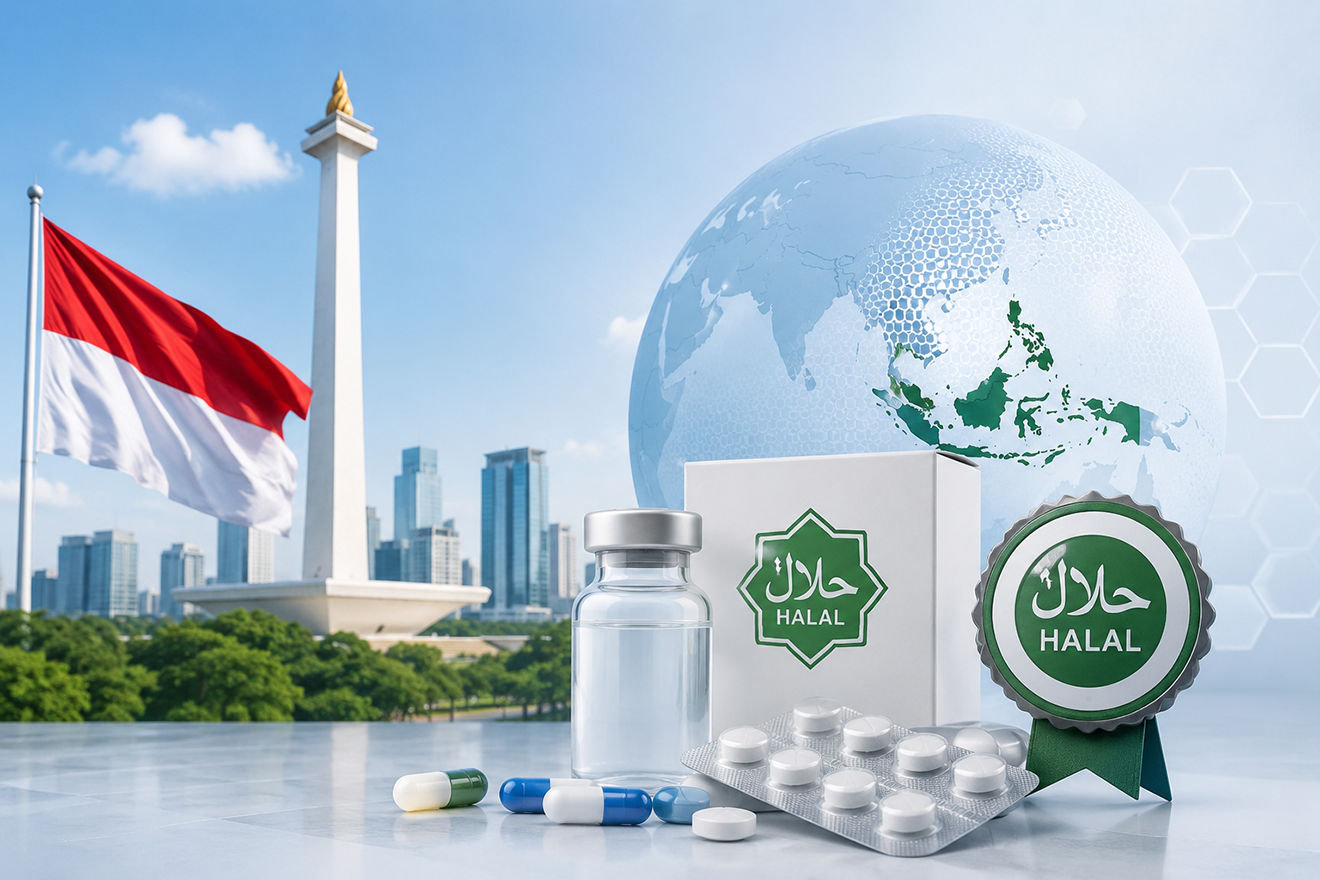
As Indonesia strengthens its Halal regulations, pharmaceutical companies must prepare for key deadlines and compliance requirements. Understanding Mandatory Halal Certification is essential to ensure compliance and avoid delays in market access.
Understanding Mandatory Halal Certification Deadlines and Requirements
1. What is the final deadline for Halal certification?
The final deadline is October 17, 2026. This applies to Natural Medicines, Quasi-Drugs, and Health Supplements (including traditional medicines/Jamu, where applicable), as per Government Regulation 42/2024 and PR 6/2023.
Under Mandatory Halal Certification, products in these categories must complete the halal certification process and obtain a BPJPH certificate and label by this date to remain in the market.
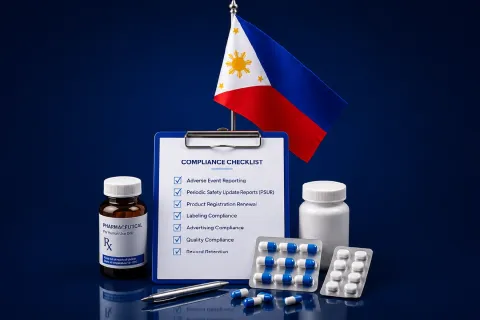
With the October 17, 2026 deadline approaching, companies should start preparing early to avoid compliance risks and delays. A structured checklist can help assess readiness and ensure all requirements are met on time.
2. Do OTC drugs also have a 2026 deadline?
No. Indonesia follows a phased timeline:
- Supplements & Natural Medicines: October 17, 2026
- OTC & Limited OTC drugs: October 17, 2029
- Prescription (Ethical) drugs: October 17, 2034
However, early alignment with evolving halal compliance guidelines is recommended for better market access and tender opportunities.
3. What if my product contains non-halal ingredients?
Your product is not banned, but requirements change.
You do not need Halal certification, but you must clearly label it as “Non-Halal”, in line with local halal certification requirements and BPJPH labeling provisions, including visible indicators on packaging.
4. Can I still use the old MUI Halal logo in 2026?
No. The old MUI-issued Halal logo will no longer be permitted for use after October 17, 2026. All products must use the new BPJPH “Gunungan” logo. Continued use of the old logo after this date will be considered non-compliance.
5. How does Halal certification affect GMP compliance?
Halal is now treated as a quality parameter in Indonesia.
During audits, inspectors may check:
- Line segregation, or
- Cleaning validation (to ensure no cross-contamination)
- Halal policy and monitoring team
These checks align with broader halal compliance guidelines and Halal Assurance System (HAS) principles, especially when using shared equipment.
6. What happens if I miss the 2026 deadline?
Penalties can be serious and include:
- Warnings
- Administrative fines
- Product recalls
- Revocation of Marketing Authorization (NIE)
Authorities will also increase post-market surveillance to enforce halal certification requirements.
7. Do Halal certificates need renewal?
Halal certificates are valid for life, as long as self-audit is reported and there are no changes in:
- Product composition
- Manufacturing process
If any changes occur, you must update them through the Sihalal system to stay compliant with the halal certification process.
Conclusion
The 2026 deadline under Mandatory Halal Certification is a critical milestone for pharmaceutical companies in Indonesia. By understanding the halal certification process, aligning with halal compliance guidelines, and preparing early, companies can avoid delays, reduce risks, and ensure uninterrupted market access.
Preparing for Indonesia’s 2026 Halal Deadline? Use our pharma halal compliance checklist to evaluate your readiness and take the next steps with confidence.
For tailored support, connect with Freyr’s experts to streamline your Halal compliance journey and accelerate your path to market in Indonesia.