Consult

4 min read
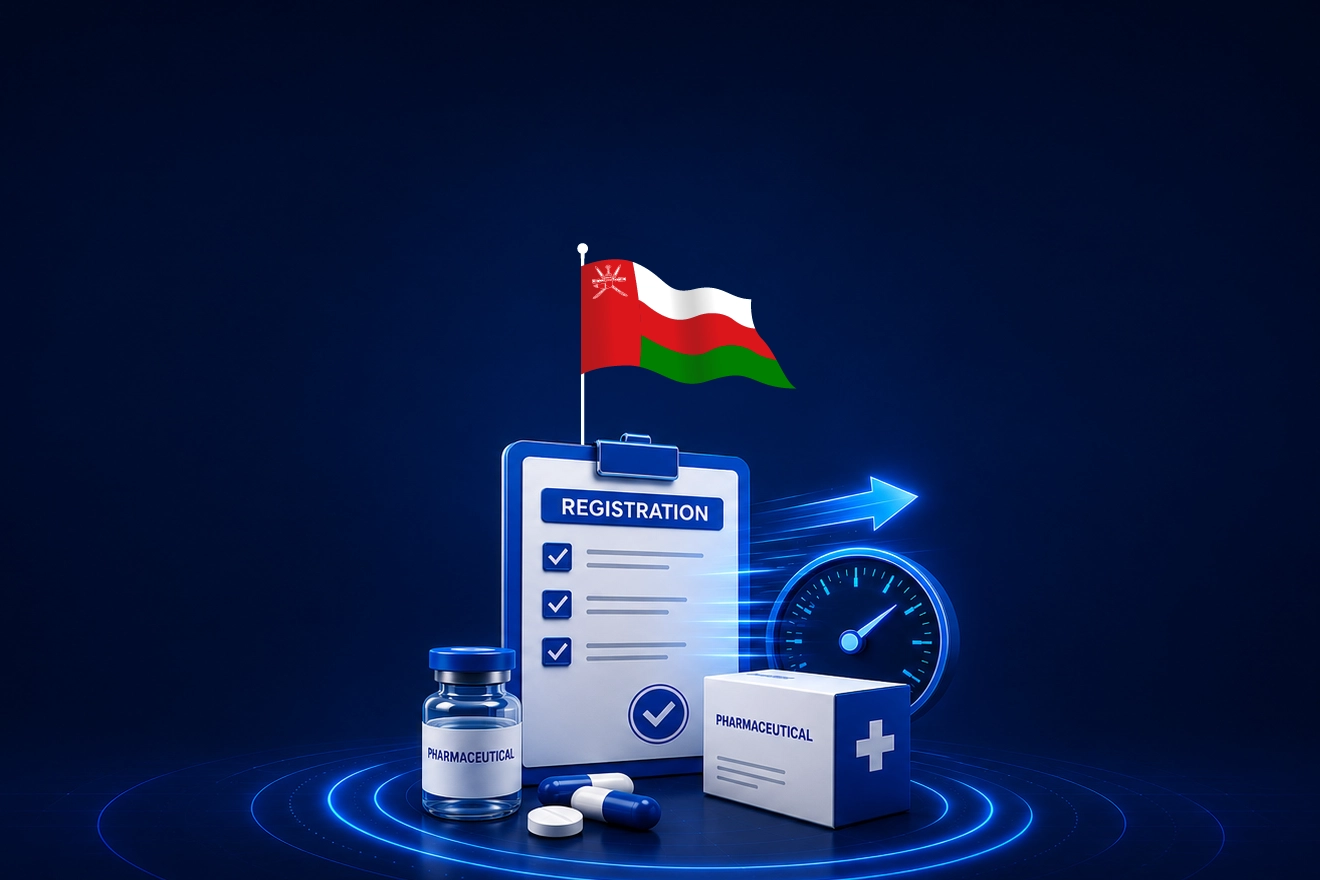
As Gulf Regulatory authorities continue adopting reliance-based review models, Oman is increasingly using GCC Reliance Pathways to support faster pharmaceutical approvals and improve patient access to medicines.
In 2026, these pathways are becoming an important strategic option for pharmaceutical companies seeking faster market entry, optimized approval timelines, and improved commercial readiness while maintaining compliance with Oman drug product registration guidelines and Oman’s broader Regulatory requirements.
For companies planning regional expansion across the GCC, understanding reliance-based pathways can help reduce Regulatory complexity, strengthen submission planning, and support more efficient market access strategies.
Understanding GCC Reliance Pathways in Oman
GCC Reliance Pathways in Oman allow the Ministry of Health (MOH) to use prior approvals, scientific assessments, or Regulatory decisions from recognized GCC Regulatory authorities during the drug registration process. This approach helps streamline product evaluations while maintaining product quality, safety, and efficacy standards.
These pathways are especially relevant for pharmaceutical products that have already received approvals through GCC centralized drug registration procedures or in GCC member states under harmonized Regulatory frameworks supported by the GCC Health Council.
As Regulatory expectations continue evolving across the Gulf region, companies with well-aligned GCC submission strategies are often better positioned to accelerate approvals and minimize Regulatory delays.
Key Objectives of GCC Reliance Pathways
The main objectives of GCC Reliance Pathways in Oman include:
- Accelerating drug registration timelines
- Reducing duplication of Regulatory assessments
- Improving patient access to innovative therapies
- Supporting regional Regulatory harmonization
- Enabling efficient use of Regulatory resources
Key Components of the Oman GCC Reliance Process
1. Prior GCC Approval Status
Products seeking reliance consideration typically require prior approval from recognized GCC authorities or through GCC centralized registration mechanisms. Companies should ensure that approved product information remains consistent across all GCC markets.
Maintaining consistency across regional submissions can help reduce Regulatory queries and improve overall review efficiency.
2. Dossier Readiness
Applicants should maintain complete and updated CTD or eCTD documentation, including:
- Quality documentation
- Stability data
- Labeling and artwork
- Manufacturing information
- Pharmacovigilance details
Any differences between GCC-approved versions and the Oman submission should be clearly justified. Strong dossier readiness can play a critical role in avoiding review delays and supporting smoother Regulatory interactions.
3. Regulatory Assessment and Verification
Although reliance pathways may reduce review timelines, Oman MOH may still conduct independent evaluations of selected sections, particularly related to:
- Product quality
- Local labeling compliance
- Safety concerns
- Risk management measures
Companies should therefore ensure that reliance-based submissions remain technically robust, complete, and aligned with local Regulatory expectations.
4. Local Regulatory Requirements
Companies must continue meeting Oman-specific requirements, including:
- Arabic labeling compliance
- Local agent or representative obligations
- Pricing documentation
- GMP-related requirements where applicable
Companies involved in Gulf Health Council registration processes should also ensure alignment between centralized GCC submissions and local Oman compliance expectations to help minimize approval risks.
Benefits of GCC Reliance Pathways in Oman
1. Faster Market Access
Reliance-based approaches can help reduce review timelines compared to traditional standalone registration routes, enabling companies to accelerate product launch timelines and improve patient access.
2. Improved Regulatory Efficiency
Using prior GCC assessments helps minimize duplication and supports faster Regulatory decision-making, allowing Regulatory teams to optimize submission management efforts.
3. Better Regional Alignment
Companies can build more harmonized GCC registration strategies by aligning dossiers and Regulatory documentation across Gulf markets.
4. Improved Commercial Planning
More predictable registration pathways can support better launch planning, resource allocation, and regional expansion strategies for companies pursuing Oman pharmaceutical registration opportunities.
Practical Industry Observations for 2026
In 2026, Oman continues strengthening regional Regulatory collaboration and reliance-based evaluations. Pharmaceutical companies with strong dossier consistency, proactive lifecycle management, and well-planned GCC submission strategies are generally better positioned for smoother approvals and improved Regulatory outcomes.
Companies are also increasingly focusing on:
- Early Regulatory gap assessments
- Harmonized GCC labeling strategies
- Faster response management during Regulatory queries
- Lifecycle compliance readiness
Organizations that proactively prepare for these requirements are often able to reduce approval bottlenecks and improve submission efficiency across multiple GCC markets.
Challenges Companies May Face
Despite the advantages, companies may still face operational and Regulatory challenges, including:
- Differences in documentation requirements across GCC markets
- Inconsistencies between previously approved dossiers
- Delays in obtaining supporting Regulatory documents
- Local compliance gaps related to labeling or pharmacovigilance
Without proactive planning, these challenges can impact approval timelines and delay commercial launch objectives. Careful Regulatory coordination therefore remains essential for successful reliance-based submissions.
Expert Insights
Successful use of GCC Reliance Pathways in Oman depends not only on prior GCC approvals but also on submission quality, Regulatory consistency, and lifecycle compliance readiness.
Companies should focus on maintaining aligned dossiers, proactive communication with Regulatory authorities, and effective lifecycle management practices to maximize the benefits of reliance-based registration pathways.
Working with experienced Regulatory teams can also help organizations identify potential compliance gaps early, improve submission quality, and support more efficient approval strategies across GCC markets.
Conclusion
GCC Reliance Pathways in Oman are becoming an increasingly valuable Regulatory strategy for pharmaceutical companies aiming to accelerate market access in 2026.
Companies that combine strong Regulatory planning, dossier consistency, and compliance readiness will be better positioned to achieve efficient approvals, reduce Regulatory delays, and support long-term regional growth.
Looking to accelerate pharmaceutical market access in Oman through GCC reliance pathways? Our Regulatory experts can help you evaluate submission readiness, identify compliance gaps, align GCC Regulatory strategies, and support faster drug registration in Oman.
Connect with our team to discuss your Regulatory objectives and streamline your Oman market entry strategy.